India Pursues Participation in France's Next-Generation Fighter Jet Development Program

Summary
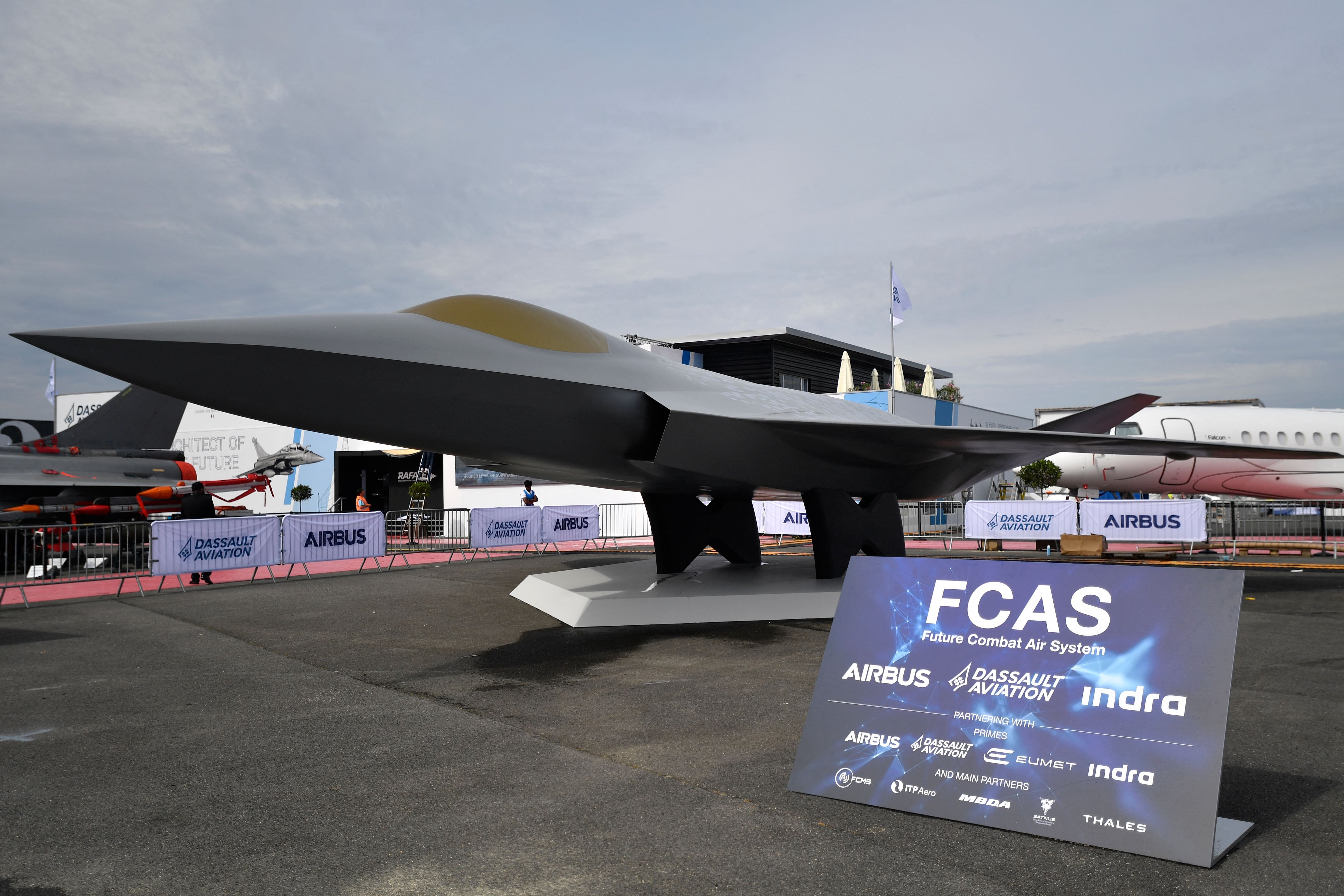
India has begun formal discussions with France about joining its Future Combat Air System (FCAS) program, with the Indian Defense Ministry confirming to parliament that it has actively initiated efforts to participate in sixth-generation fighter jet development. The opportunity for collaboration was opened after France and Germany dissolved their joint FCAS partnership in June, leaving France potentially open to new development partners. India's motivation stems from significant technological gaps, particularly in engine development, and the strategic urgency created by China's rapid air power modernization, which analysts warn is pushing India further behind in military aviation capabilities. The proposed partnership would focus on industrial participation, design and development roles, and access to critical intellectual property, with India particularly seeking French engine and radar technologies that could also benefit its ongoing domestic fifth-generation fighter program. However, the collaboration faces financial challenges, as France is dealing with severe public debt burdens and budget deficits that could complicate funding for a next-generation fighter program estimated to cost tens of billions of euros.
Key Takeaways
- 1. India has officially initiated efforts to join France's sixth-generation Future Combat Air System program following the collapse of the France-Germany FCAS partnership
- 2. China's rapid military aviation advancement is a primary strategic driver pushing India to accelerate its next-generation fighter jet ambitions
- 3. India hopes that sixth-generation technologies acquired through French collaboration could simultaneously advance its domestic fifth-generation fighter development program
- 4. France is considered an ideal partner for India due to its willingness to share technology without significant political conditions, unlike some other defense suppliers
- 5. France's strained public finances represent a major obstacle, as funding a next-generation fighter program independently could cost tens of billions of euros