Pakistan's Strategy for Countering India's Expanding MQ-9B High-Altitude Drone Capabilities

Summary
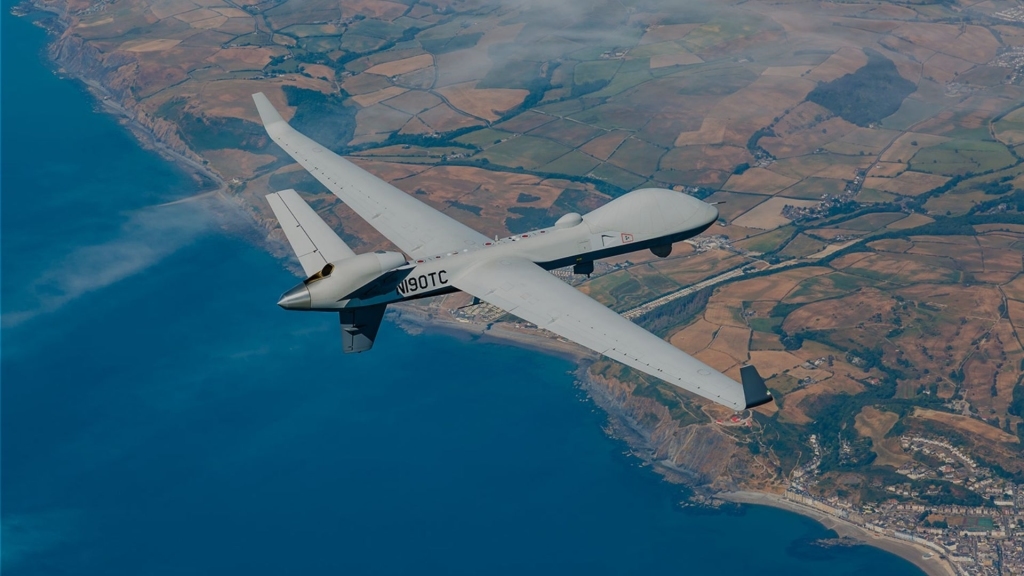
India has signed a USD $203 million agreement with General Atomics Aeronautical Systems to lease two additional MQ-9B SeaGuardian HALE UAVs for the Indian Navy for 30 months, bridging the gap until 31 permanently ordered MQ-9Bs begin deliveries following a 2024 procurement deal. The MQ-9B platform will significantly enhance three critical military capabilities for India's armed forces: broad-area ISTAR through advanced radar and electronic intelligence systems, extended anti-submarine warfare using sophisticated sonobuoy systems, and precision strike capacity through Hellfire missiles and Small Diameter Bombs. The drone system integrates seamlessly into the Indian Navy's existing layered surveillance architecture, complementing the P-8I Neptune maritime patrol aircraft and MH-60R Seahawk helicopters to form a fully networked, multi-domain ISTAR and ASW network. This interconnected system gives India a formidable and interoperable maritime surveillance and strike capability spanning long-range fixed-wing aircraft, multi-mission rotary-wing platforms, and advanced HALE drones. The article frames this growing Indian capability as a strategic challenge that Pakistan must actively work to match or counter.
Key Takeaways
- 1. India's sustained investment in MQ-9B HALE drones represents a significant and growing asymmetric advantage over Pakistan in persistent maritime and land surveillance capabilities
- 2. The integration of MQ-9B with P-8I Neptune and MH-60R Seahawk creates a deeply layered, interoperable ISR and ASW network that substantially raises the threshold for Pakistani naval operations
- 3. India's anti-submarine warfare capabilities are being meaningfully expanded through advanced sonobuoy systems, posing a direct threat to Pakistan Navy's submarine fleet and underwater deterrence strategy
- 4. The strike capabilities embedded in the MQ-9B platform, including Hellfire missiles and Small Diameter Bombs, extend India's precision targeting reach with minimal risk to manned aircraft crews
- 5. Pakistan faces an urgent strategic imperative to develop or acquire comparable HALE UAS platforms, advanced electronic countermeasures, or asymmetric capabilities to offset India's accelerating drone-enabled military modernization