Chinese Military Intercepts and Issues Warnings to Three Philippine Aircraft Following Unauthorized Entry into Huangyan Dao Airspace
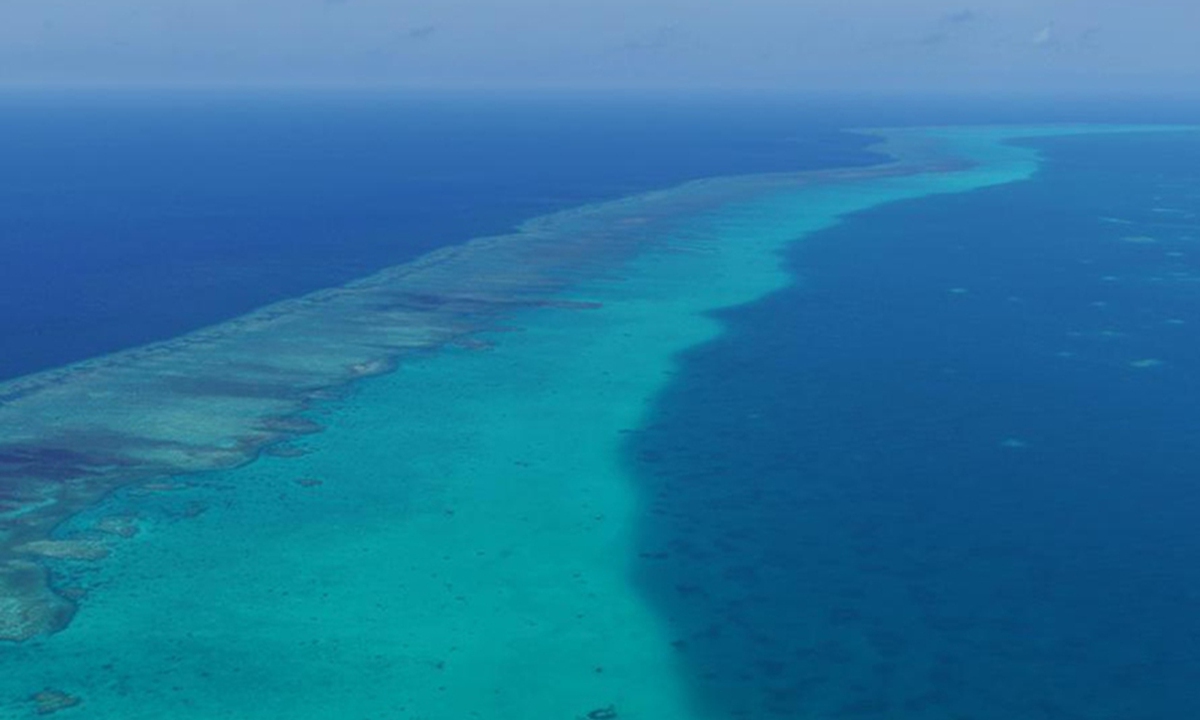

Summary
The People's Liberation Army (PLA) Southern Theater Command announced that three Philippine aircraft — an Islander, a C-208, and a PA-31T — unlawfully entered Chinese territorial airspace over Huangyan Dao (Scarborough Shoal) in the South China Sea without prior authorization from the Chinese government. In response, the PLA Southern Theater Command deployed naval and air forces to track, monitor, and issue verbal warnings to the Philippine aircraft in accordance with Chinese laws and regulations. The incident was officially confirmed by Senior Colonel Li Jianjian, spokesperson for the PLA Southern Theater Command Air Force, who characterized the Philippine actions as a serious violation of Chinese sovereignty. China further warned that such intrusions carry a high risk of triggering misunderstandings and miscalculations that could escalate tensions in the region. The PLA Southern Theater Command concluded its statement with a stern warning to the Philippines to immediately cease what it described as "rights-violation and provocative acts," reaffirming its posture of sustained high alert to protect national sovereignty and regional stability.
Key Takeaways
- 1. **Active Military Interception:** The PLA Southern Theater Command demonstrated a rapid and assertive operational response by deploying both naval and air assets to intercept the Philippine aircraft, signaling China's willingness to enforce its territorial claims militarily.
- 2. **Escalation Risk:** China explicitly highlighted the danger of "misunderstanding and miscalculation," suggesting that such incidents carry potential for unintended military escalation in an already volatile South China Sea environment.
- 3. **Sovereignty Assertion Over Huangyan Dao:** This incident reinforces China's persistent and aggressive posture in asserting sovereignty over Huangyan Dao (Scarborough Shoal), a strategically contested area also claimed by the Philippines.
- 4. **Diplomatic and Military Pressure on the Philippines:** The formal public warning issued by a senior PLA spokesperson represents both a military deterrent and a diplomatic pressure mechanism aimed at discouraging future Philippine aerial activities in the area.
- 5. **Regional Security Implications:** The confrontation reflects broader tensions between China and the Philippines in the South China Sea, with implications for regional alliances, including the U.S.-Philippines Mutual Defense Treaty, potentially drawing external powers into future escalations.