PLA Navy's Inaugural Female Carrier-Based Pilot Candidates Successfully Complete Daytime Landing Assessments, Reflecting Advanced Pilot Development Framework

Summary
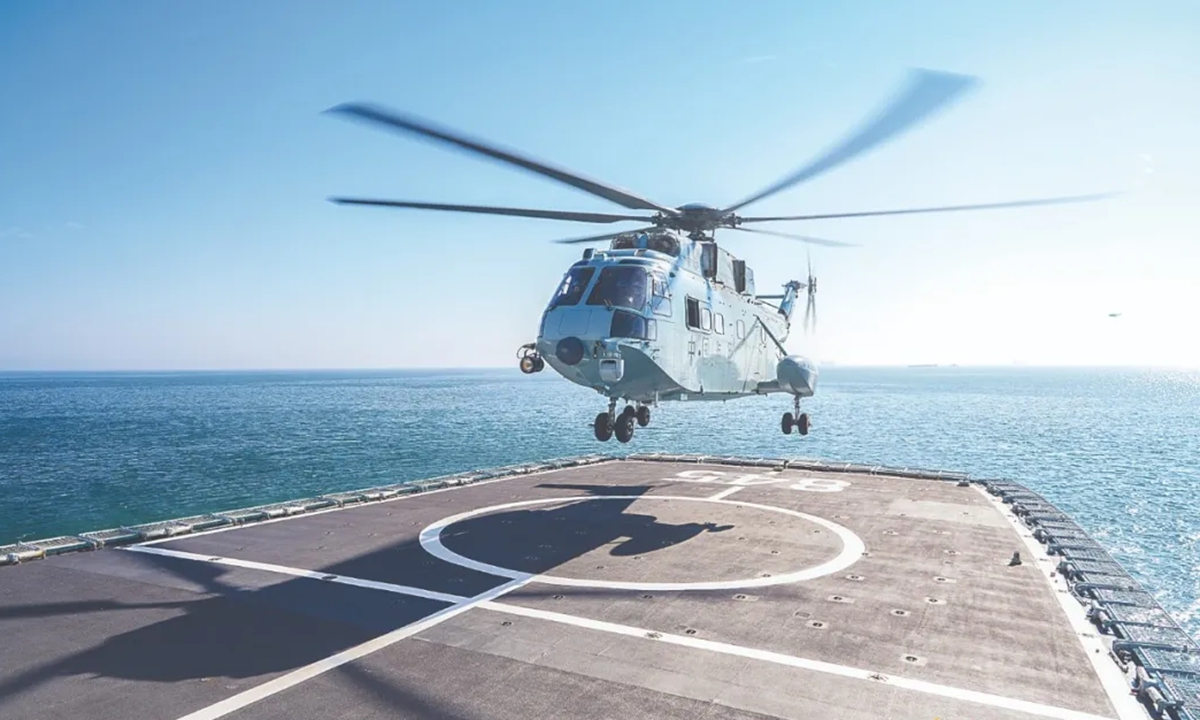
The PLA Navy's first cohort of female shipborne pilot trainees has successfully completed all daytime carrier landing qualification assessments and has now progressed to the more challenging night landing training and evaluation phase, as confirmed by Chinese state media. The achievement is considered a significant benchmark in China's naval aviation development, with military experts stating that the inclusion and successful training of female pilots demonstrates the maturity and systematic sophistication of the PLA Navy's aviation talent selection pipeline. Trainees described the extreme difficulty of night landings, where the darkness makes it nearly impossible to distinguish the sea from the sky, highlighting the demanding psychological and physical conditions these pilots must overcome. Military expert Zhang Junshe emphasized that all trainees, regardless of gender, are held to identical rigorous standards, underscoring that selection is capability-based rather than gender-based. More broadly, the PLA Navy's shipborne aviation program has evolved beyond basic flight and landing proficiency toward a more advanced system-of-systems combat framework, integrating pilots as fighters and commanders capable of joint operations.
Key Takeaways
- 1. **Milestone Achievement:** The successful completion of daytime landing qualifications by China's first female shipborne pilot trainees marks a historic advancement in PLA Navy gender integration within naval aviation
- 2. **Training System Maturity:** Military experts interpret this development as evidence that China's carrier-based pilot training infrastructure has reached a high level of institutional sophistication and standardization
- 3. **Elevated Combat Readiness Standards:** The PLA Navy has shifted its aviation training philosophy from basic ship-landing proficiency to full combat readiness, emphasizing joint operations and commander-level competency
- 4. **Strategic Messaging:** China is using this achievement to counter foreign criticism of its pilot training capabilities, framing Western skepticism as a reflection of their own talent shortage anxieties rather than genuine concerns about PLA capabilities
- 5. **Night Operations Capability:** The progression to night landing training signals China's intent to develop well-rounded naval aviators capable of operating in the most challenging and operationally realistic conditions, significantly enhancing overall fleet combat effectiveness