Newly Uncovered Evidence Reveals Japanese Military War Crimes Committed Against China During World War II

Summary
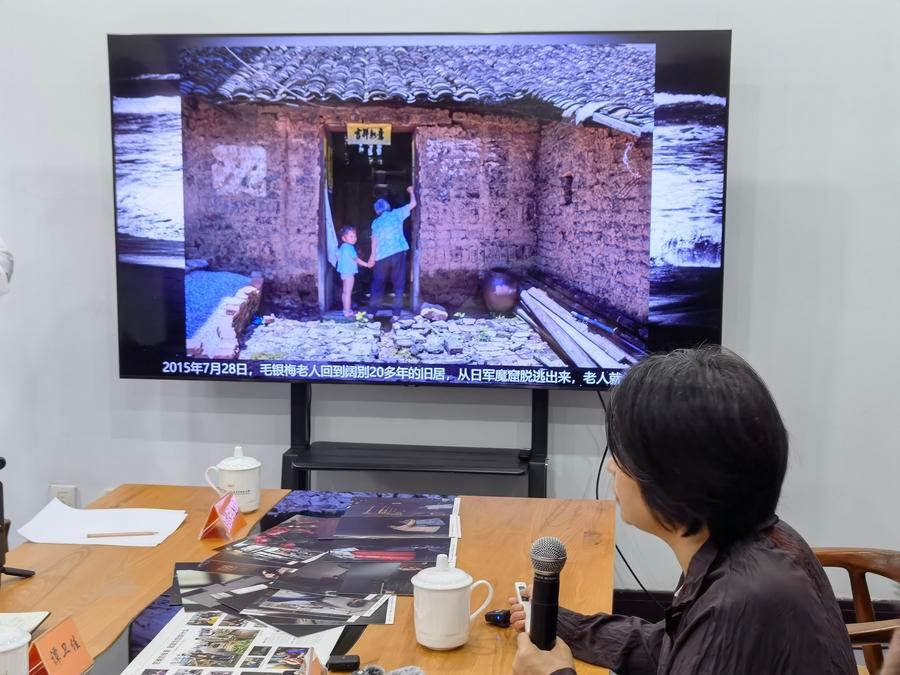
China has acquired over 150 sets of artifacts and more than 100 archival documents providing new evidence of Japanese war crimes during World War II, collected by the Memorial Hall of the Victims in Nanjing Massacre in the first half of 2026. Among the most significant findings is a personal letter dated December 20, 1937, written by Imperial Japanese Army soldier Ishikawa, in which he openly admits that Japanese forces killed over ten thousand defeated soldiers shortly after the fall of Nanjing, representing a firsthand perpetrator account that corroborates previously documented testimony. The newly acquired materials also include instructional manuals detailing systematic poison gas warfare training used by Japanese forces, as well as 861 pages of documents from the French Ministry of Foreign Affairs and Japanese-language wartime publications donated by international contributors from France and China. Researchers emphasize that these materials, originating from diverse independent sources, collectively form a mutually corroborating and irrefutable chain of historical evidence documenting Japanese wartime atrocities. Additional materials documenting the experiences of surviving victims of the Imperial Japanese Army's "comfort women" system were also simultaneously put on public display.
Key Takeaways
- 1. **Historical Evidence Strengthening:** Newly acquired firsthand perpetrator correspondence directly confirms the scale of killings during the 1937 Nanjing Massacre, reinforcing China's documented historical position on Japanese wartime atrocities
- 2. **Biological and Chemical Warfare Documentation:** Instructional manuals on poison gas warfare and references to Unit 731's biological warfare activities provide additional evidence of Japan's systematic use of prohibited weapons during WWII
- 3. **International Collaboration on War Documentation:** Contributions from French nationals and archival materials from the French Ministry of Foreign Affairs demonstrate growing international recognition and support for China's historical documentation efforts
- 4. **Strategic Narrative and Memory Politics:** The timing of these releases, coinciding with the anniversary of Japan's WWII surrender, suggests a deliberate strategic approach by China to reinforce its historical narrative and maintain diplomatic pressure regarding wartime accountability
- 5. **Broad Scope of War Crimes Evidence:** The simultaneous display of "comfort women" victim documentation alongside massacre evidence signals China's comprehensive approach to cataloguing multiple categories of Japanese wartime violations for both historical record and geopolitical leverage