Japan's Latest Defense White Paper Reveals Alarming Neo-Militarist Ambitions and Strategic Shifts

Summary
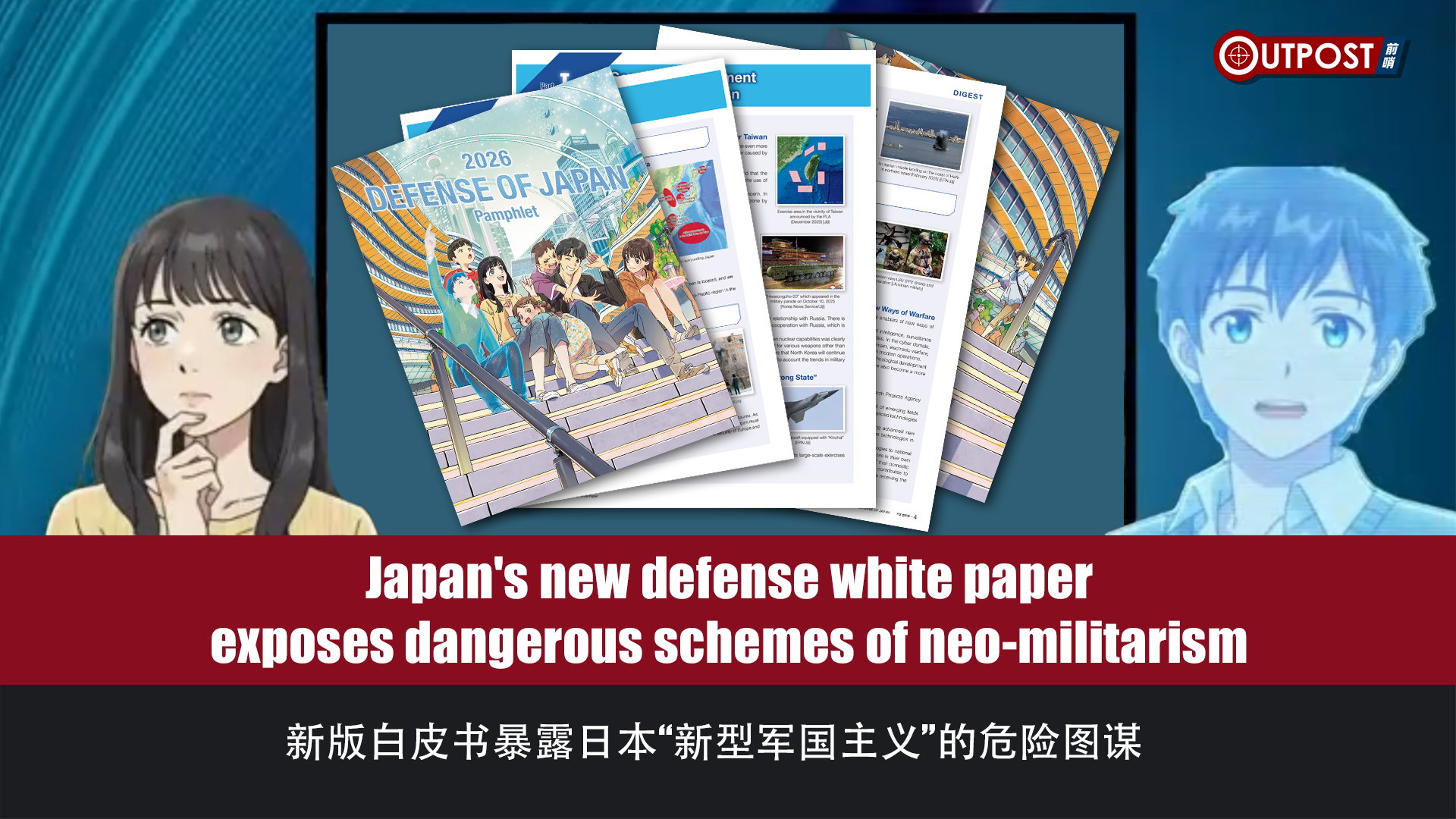
Japan's Ministry of Defense released its "Defense of Japan 2026" white paper on August 4, which Chinese analysts characterize as being laden with fabricated security threat narratives designed to justify significant military expansion. For the first time, the document dedicates an entire chapter to "new ways of warfare," emphasizing the expanded deployment of unmanned systems, artificial intelligence, and enhanced capabilities for sustained military operations. The white paper also substantially broadens its discussion of Japan's defense production and technological development, promoting military-civilian technology integration and cross-border joint weapons research and development. Chinese analysts view these measures as deliberate attempts to legitimize the relaxation of Japan's lethal weapons export controls, representing a fundamental departure from Japan's post-war exclusively defense-oriented policy. The article concludes with a call for Asian nations and the broader international community to remain vigilant and collectively counter what it describes as Japan's dangerous neo-militarist trajectory.
Key Takeaways
- 1. **Military Modernization Push:** Japan's white paper signals a significant doctrinal shift toward advanced warfare capabilities, including unmanned systems and AI integration, marking a departure from its traditional defense-only posture
- 2. **Defense Industry Expansion:** The white paper advocates for military-civilian technology fusion and transnational joint weapons R&D, suggesting Japan is actively building a more robust and globally connected defense industrial base
- 3. **Weapons Export Liberalization:** The document is interpreted as laying groundwork for relaxing Japan's strict lethal weapons export restrictions, which would represent a major strategic policy reversal
- 4. **Regional Security Concerns:** China's response reflects deep apprehension among regional neighbors about Japan's accelerating remilitarization and its potential to destabilize the existing post-war security order in Asia
- 5. **Geopolitical Warning Signal:** The article frames Japan's transition from a "peaceful nation" to a potential "war state" as an urgent threat requiring coordinated multilateral pushback from the international community