Pakistan Navy's Denial Strategy to Focus on Surveillance Technology, Autonomous Vehicles, and Supersonic Weaponry

Summary
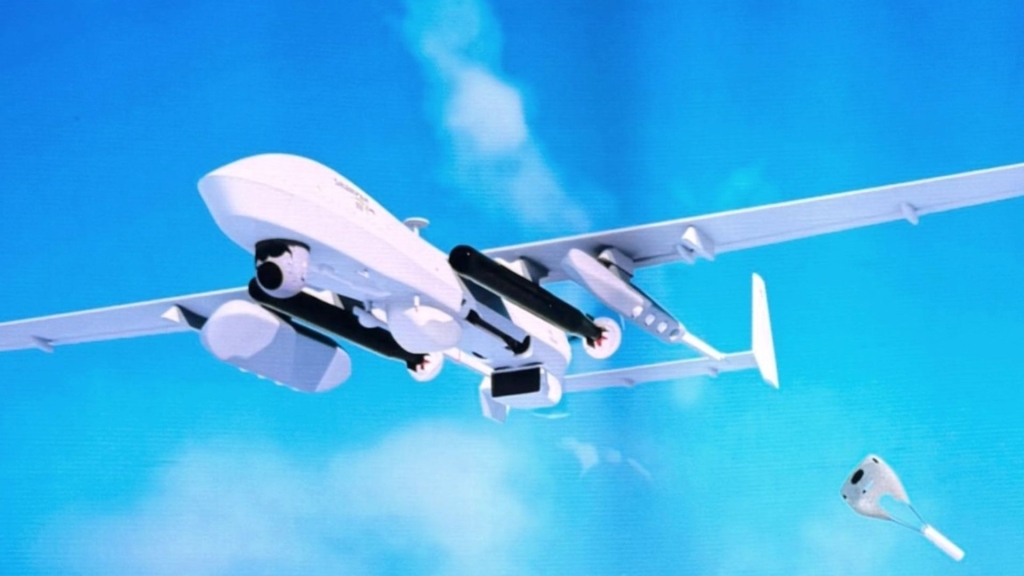
The Pakistan Navy is developing an anti-access and area-denial (A2/AD) strategy that capitalizes on lessons learned from the Russia-Ukraine War and US-Iran conflict, leveraging the growing effectiveness of one-way attack (OWA) loitering munitions and conventional surface-to-surface missiles (SSMs). A critical advantage for Pakistan is that its domestic defence industry is already aligned with these emerging warfare trends, producing uncrewed platforms, loitering munitions, and SSMs without a significant capability gap. The conflicts in Ukraine and Russia have demonstrated the strategic value of these systems, as they are platform-independent, cost-effective, and can be deployed in mass saturation salvos that overwhelm enemy interceptor stockpiles — even failed interceptions serve the strategic purpose of depleting enemy air defence resources. Russia's deployment of approximately 57,000 Shahed-type OWAs by March 2026, at costs between $20,000–$50,000 per unit, has visibly strained Ukraine's interception rates, which have fluctuated between 80% and 97%, illustrating the unsustainable burden mass drone warfare places on defenders. Alongside these kinetic capabilities, the Pakistan Navy plans to strengthen its network-enabled warfare architecture, including its Link Green data link system and the Naval Information Exchange System (NIXS), to integrate sensors and uncrewed systems into a cohesive operational framework.
Key Takeaways
- 1. **Cost-Asymmetric Warfare Advantage:** OWA loitering munitions and SSMs offer Pakistan a highly cost-effective means of threatening adversary naval assets, as these weapons are significantly cheaper than the interceptors designed to defeat them, creating an unsustainable economic burden for defenders
- 2. **Domestic Industry Alignment:** Pakistan's indigenous defence sector is already producing uncrewed platforms and loitering munitions, meaning the Navy faces minimal delay in fielding A2/AD capabilities — a rare and strategically significant convergence of industrial readiness and operational demand
- 3. **Lessons from Active Conflicts:** Real-world data from Ukraine demonstrates that mass saturation tactics degrade even sophisticated air defence systems over time, with interception rates proving unstable at scale, providing Pakistan with a validated tactical blueprint
- 4. **Network-Centric Integration:** The Pakistan Navy's expansion of Link Green and NIXS signals an intent to build a fully integrated sensor-to-shooter architecture, enhancing the coordination of uncrewed systems and missiles within a unified operational picture
- 5. **Platform-Independent Strike Capability:** By emphasizing weapons that do not require expensive delivery platforms such as warships or combat aircraft, Pakistan can distribute its strike capability more broadly, reducing vulnerability to pre-emptive targeting of high-value naval assets