Historical Documents Relating to Survivors of Japan's Wartime Forced Sexual Servitude System Presented to Nanjing Memorial

Summary
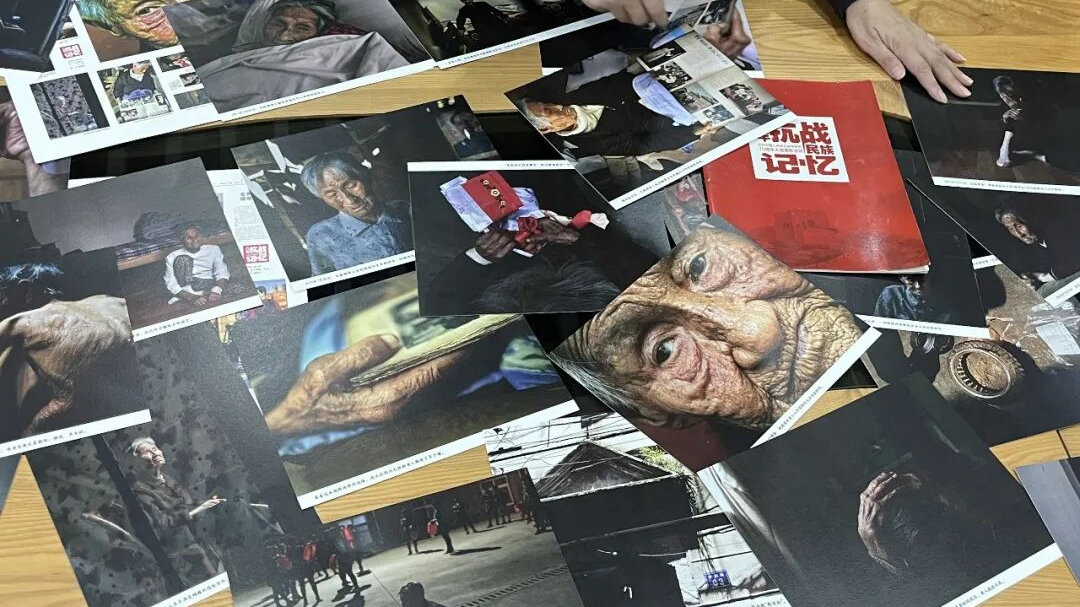
On August 14, 2026, a significant collection of historical archival materials documenting survivors of the Japanese military's wartime "comfort women" system was formally donated to the Memorial Hall of the Victims in Nanjing Massacre by Japanese Invaders in Jiangsu Province, China. The donation was made by two dedicated researchers — Li Xiaofang, a former Zhejiang provincial official, and Yan Meihua, a senior editor from Hubei — both of whom have spent years conducting field investigations and collecting records related to this dark chapter of wartime history. The materials donated include 43 reproduced handprints, portraits, and records documenting 67 survivors contributed by Li, while Yan donated an extensive collection of 8,701 photographs, images, and 10 video clips focusing specifically on Korean survivor Mao Yinmei, who was deceived and forced into sexual slavery by Japanese forces in Wuhan during the 1940s before eventually settling in Hubei until her death in 2017. The memorial hall has confirmed that all donated materials will undergo cataloging, restoration, and systematic preservation through its Nanjing Massacre Documentation Research and Exchange Center, with plans to integrate them into exhibitions, academic research, and public education programs.
Key Takeaways
- 1. **Historical Evidence Preservation:** The donation significantly strengthens China's institutional efforts to document and preserve evidence of Japanese wartime atrocities, reinforcing narratives that carry ongoing geopolitical and diplomatic implications between China and Japan.
- 2. **Strategic Use of Historical Memory:** By incorporating these materials into public education programs and exhibitions, China continues to leverage wartime historical documentation as a tool for shaping national consciousness and international perception regarding Japanese wartime conduct.
- 3. **Cross-National Victimhood Documentation:** The inclusion of materials relating to Korean survivor Mao Yinmei highlights the multinational scope of Japanese wartime sexual slavery, potentially strengthening solidarity between China and South Korea on shared historical grievances against Japan.
- 4. **Institutional Capacity Building:** The systematic archiving and research efforts by the Nanjing Massacre Documentation Research and Exchange Center demonstrate China's long-term strategic commitment to building credible, internationally recognized repositories of wartime evidence.
- 5. **Diplomatic and Security Implications:** Continued Chinese efforts to document and publicize Japanese wartime atrocities serve as a persistent point of diplomatic tension, influencing regional security dynamics, Japan-China relations, and broader debates surrounding Japanese historical accountability and constitutional remilitarization.