Nanjing Museum Expands Collection with Fresh Documentation on Japan's Wartime Sexual Slavery System

Summary
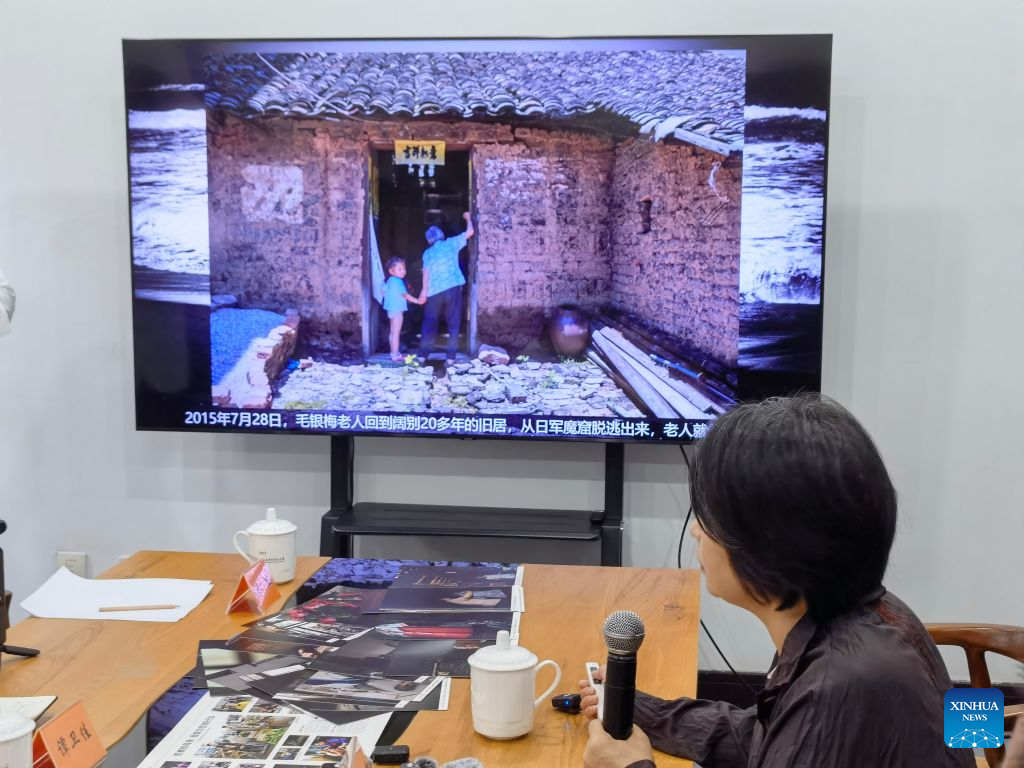
The Nanjing Museum of the Site of the Lijixiang Comfort Stations has expanded its historical collection with newly donated artifacts, photographs, and video materials documenting survivors of Japan's World War II-era "comfort women" system. The materials were primarily contributed by two Chinese photographers — Li Xiaofang and Yan Meihua — whose combined documentary work spanned decades of field research across China, Japan, and the Republic of Korea. Li Xiaofang donated over 200 photographs of more than 70 survivors and 43 handprint replicas, gathered over two decades of interviews that revealed deep psychological trauma endured by victims such as survivor Zhou Fenying. Yan Meihua contributed over 7,000 photographs and 10 videos documenting Korea-born survivor Mao Yinmei, who was deceived by the Japanese military in the 1940s, subjected to abuse in Wuhan, and carried lasting psychological scars until her death. Researchers have noted that these new materials will significantly strengthen the historical and academic foundation for future scholarship and museum exhibitions on wartime atrocities.
Key Takeaways
- 1. **Historical Documentation as Strategic Narrative:** China continues to systematically build and expand institutional records of Japanese wartime atrocities, reinforcing its long-standing historical grievances against Japan with tangible evidence
- 2. **Ongoing Sino-Japanese Tensions:** The preservation and public display of "comfort women" documentation reflects persistent geopolitical and historical disputes between China and Japan that continue to influence bilateral relations and regional security dynamics
- 3. **Multinational Victim Recognition:** The inclusion of Korean-born survivors signals China's effort to internationalise the historical narrative, potentially building solidarity with South Korea on shared wartime grievances against Japan
- 4. **Institutional Strengthening:** The expansion of museum collections with verified photographic and video evidence reinforces China's capacity to sustain internationally credible historical accountability campaigns against Japanese wartime conduct
- 5. **Soft Power and Memory Politics:** By systematically preserving survivor testimonies, China leverages historical memory as a soft power instrument, shaping regional and global perceptions of Japan's wartime military behaviour and contemporary security identity