Declassified Documents Expose Japanese Military's Systematic Concealment of Unit 731's Biological Warfare Program

Summary
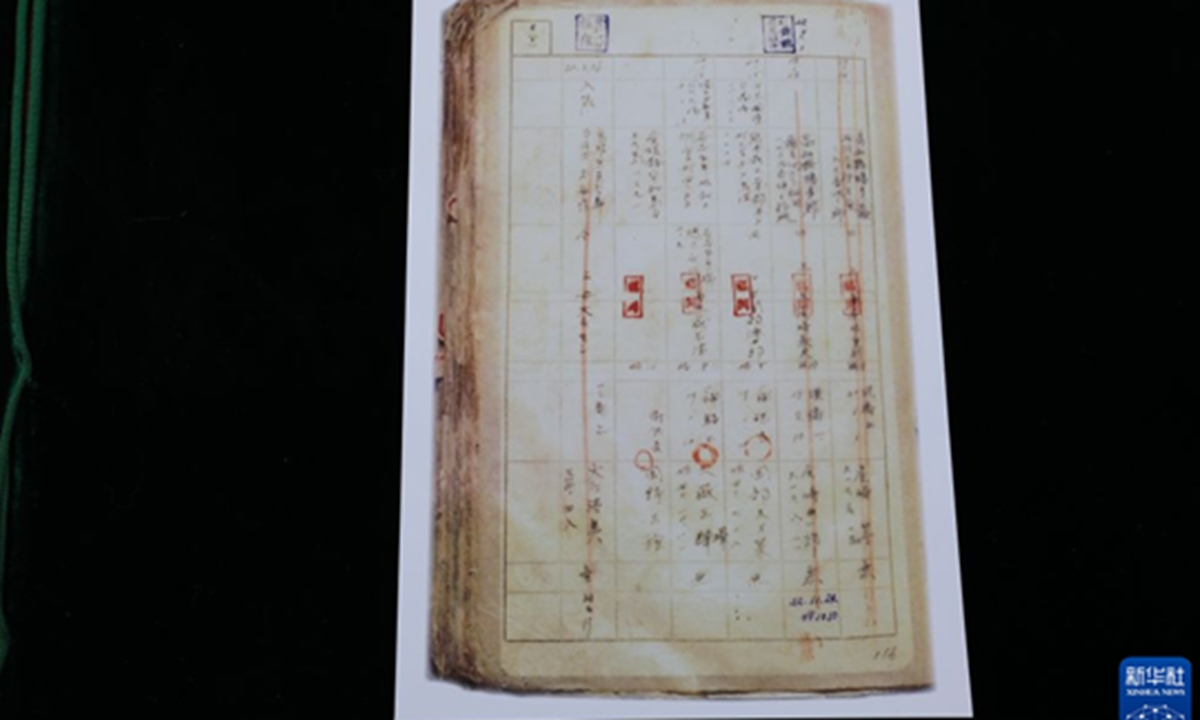
Newly released 185-page wartime archives from the Hailar branch of Japan's Unit 731, also known as "Manchuria Unit 543," have revealed how the Japanese military systematically disguised biological warfare personnel as conventional infantry troops to hide their covert operations, including human experimentation. The documents, released by the Exhibition Hall of Evidences of Crime Committed by Unit 731, contain detailed personal records of 156 branch members, including their ranks, duties, and postwar whereabouts, offering researchers unprecedented first-hand insight into the unit's personnel structure and operations. The records confirm that recruits were enlisted under the names of ordinary military units before being secretly transferred to Unit 731 headquarters for specialized training, a deliberate deception designed to obscure the program's criminal activities. The archives also shed new light on postwar accountability efforts, revealing that 145 of the 156 listed personnel were captured by Soviet forces after World War II, with four tried at the Khabarovsk war crimes tribunal between April and September 1950. Unit 731 is historically documented as responsible for the deaths of over 300,000 Chinese civilians through biological weapons and the use of at least 3,000 people as human experiment subjects.
Key Takeaways
- 1. **Military Deception Strategy:** The Japanese military employed a sophisticated cover system, recruiting biological warfare personnel under conventional infantry unit designations to deliberately conceal Unit 731's true nature and criminal activities
- 2. **Historical Documentation:** The 185-page archive represents critical first-hand official evidence, providing researchers with verifiable data on personnel structures, operational methods, and the broader biological warfare network across five Northeast China branches
- 3. **Scale of War Crimes:** The confirmed figures — over 300,000 Chinese civilian deaths and at least 3,000 human experiment victims — underscore the massive humanitarian and strategic atrocities committed under Japan's biological warfare program
- 4. **Postwar Accountability and Soviet Intelligence:** The documents highlight the Soviet Union's significant role in postwar investigations, having captured 145 of 156 identified personnel and conducting war crimes trials in Khabarovsk, revealing an often-overlooked dimension of post-WWII justice efforts
- 5. **Strategic Geopolitical Positioning:** The Hailar branch's location near the Soviet and Mongolian borders indicates that Japan's biological warfare capabilities were strategically oriented as a frontline offensive tool against the Soviet Union, reflecting broader imperial military planning in Northeast Asia