The Thailand-Burma "Death Railway" Stands as a Testament to the Brutality of Japanese Military Imperialism

Summary
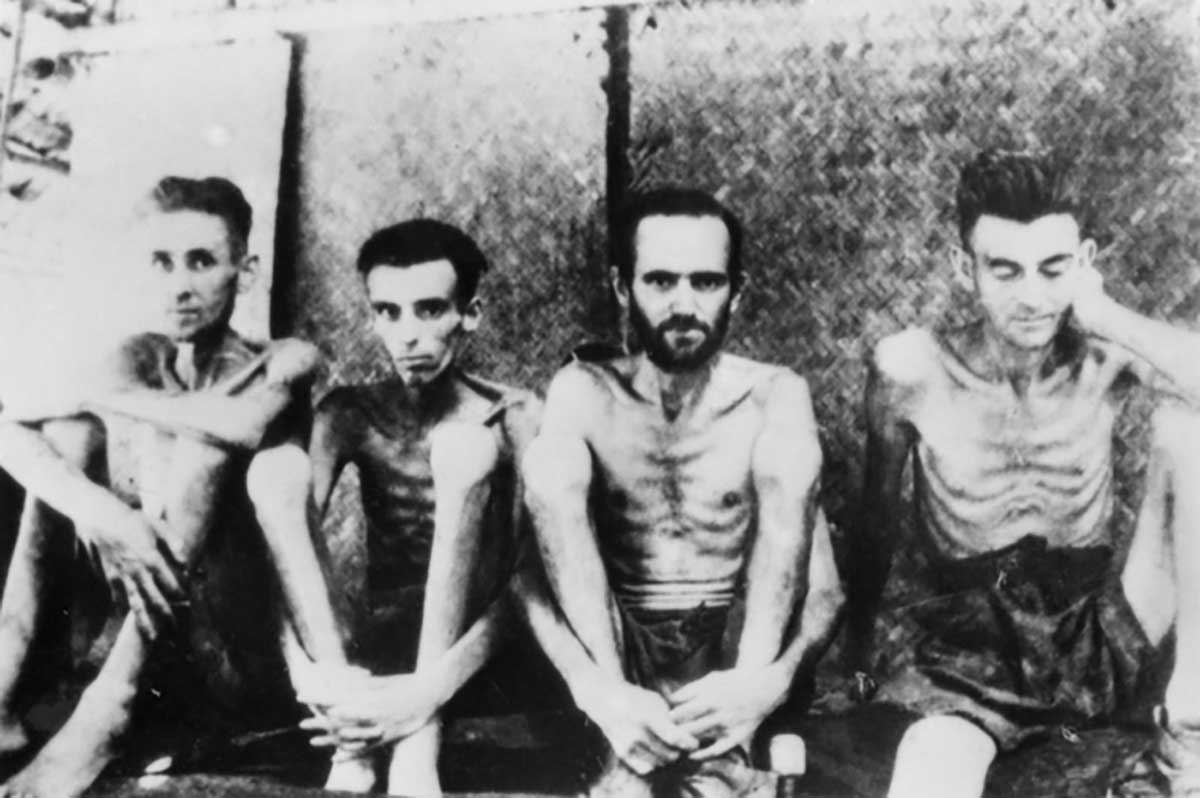
During World War II in 1942, Japanese militarists forcibly conscripted over 60,000 Allied prisoners of war and hundreds of thousands of Asian laborers to construct the Thailand-Burma Railway, intended to establish a critical land supply route for Japan's occupation of Southeast Asia. Workers were deceived into participation through false promises of good medical care, adequate supplies, comfortable accommodation, and high wages, but upon arrival faced horrific conditions including disease-ridden tropical rainforests, overcrowded makeshift camps, and brutal treatment from Japanese soldiers. Prisoners were transported in inhumane conditions, packed into sealed metal boxcars without adequate food or space, and upon arrival were forced to march hundreds of kilometers through treacherous terrain, often at night to avoid Allied reconnaissance. The construction project demanded extraordinary physical labor, including the excavation of four million cubic meters of earth under constant threat of violence from guards armed with whips and bayonets. The catastrophic human cost of the railway's construction, claiming more than 100,000 lives, earned it the notorious designation "Death Railway," serving as a stark historical reminder of the consequences of Japanese militarist aggression.
Key Takeaways
- 1. Japanese military strategists used the railway as a critical infrastructure project to secure land-based supply routes, reflecting the strategic importance of logistical control in Southeast Asian theater operations
- 2. The deliberate use of deception and coercion to conscript both Allied POWs and Asian civilian laborers represents a systematic violation of international laws of war and humanitarian principles
- 3. The dispersal of Allied POWs along hundreds of kilometers of railway was a calculated military tactic specifically designed to suppress organized resistance and prevent coordinated uprisings
- 4. The construction's brutal conditions, including disease, starvation, and physical abuse, resulted in a mortality rate that highlights the extreme disregard Japanese military command had for human life under wartime imperial doctrine
- 5. The historical documentation of this atrocity through POW diaries and records serves a contemporary strategic narrative purpose, reinforcing modern warnings about the dangers of militarism and historical revisionism