The Enduring Legacy of the Long March Brought to Life Through Immersive Theater

Summary
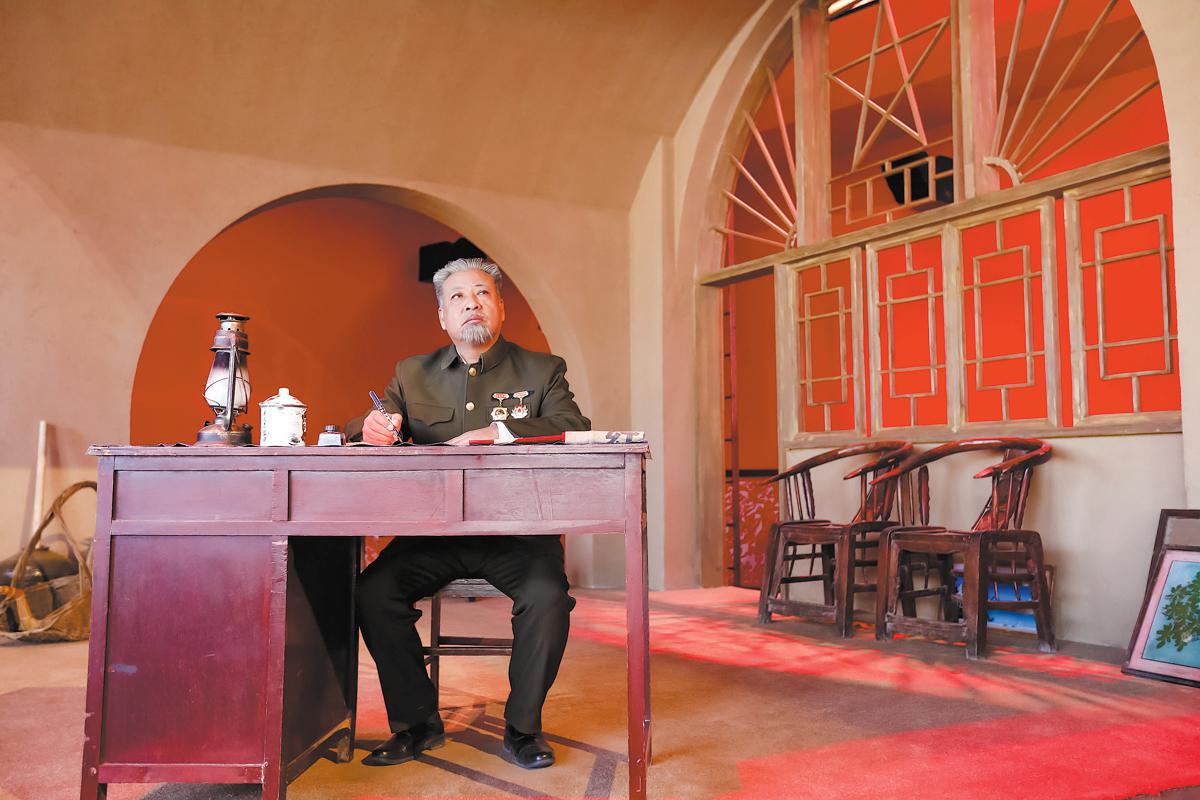
Army veteran Bao Yijun, a former military scout who served during China's border conflict with Vietnam in the 1980s, now portrays a fictional Red Army soldier named Liu Baoshun in an immersive theatrical production called "Back to Yan'an" in Shaanxi province. The production, which has drawn nearly 650,000 visitors across approximately 4,350 performances since its 2021 debut, dramatizes the historic Long March (1934-36), during which Red Army forces undertook a strategic military retreat from Jiangxi province to northern Shaanxi. Bao draws deeply personal parallels between his own military experiences — particularly being saved from starvation during a border intelligence mission by a stranger soldier who gave him food — and his character's survival through the solidarity of fallen comrades. His ongoing real-life search for the unknown soldier who saved him, conducted through a social media campaign called "Looking for a Comrade," remains unresolved and adds authenticity and emotional depth to his portrayal. Unlike conventional patriotic military dramas, the production employs an immersive, walking-style format that eliminates boundaries between performers and audiences, aiming to transmit revolutionary military values across generations.
Key Takeaways
- 1. **Military Solidarity as a Core Value:** The article reinforces the Chinese military ethos of comradeship and mutual support, demonstrating how acts of solidarity among soldiers carry lasting strategic and personal significance
- 2. **Preserving Revolutionary Military Heritage:** The Long March remains a foundational symbol of Chinese military resilience and strategic determination, with cultural productions serving as vehicles to transmit these values to contemporary audiences
- 3. **Civil-Military Cultural Integration:** The production represents a deliberate effort by China to bridge military history and civilian society, using immersive arts to strengthen public identification with the People's Liberation Army's historical narrative
- 4. **Veteran Engagement in Patriotic Messaging:** The casting of actual veterans like Bao Yijun lends credibility to state-aligned patriotic narratives, effectively utilizing lived military experience to reinforce ideological commitment to revolutionary principles
- 5. **Soft Power and Ideological Continuity:** With nearly 650,000 visitors, such productions function as significant tools of domestic soft power, ensuring that the communist revolutionary military identity remains culturally relevant and emotionally resonant among modern Chinese citizens