Perspectives from the Ground: Community Leaders Speak on the Ongoing Crisis in Manipur

Summary
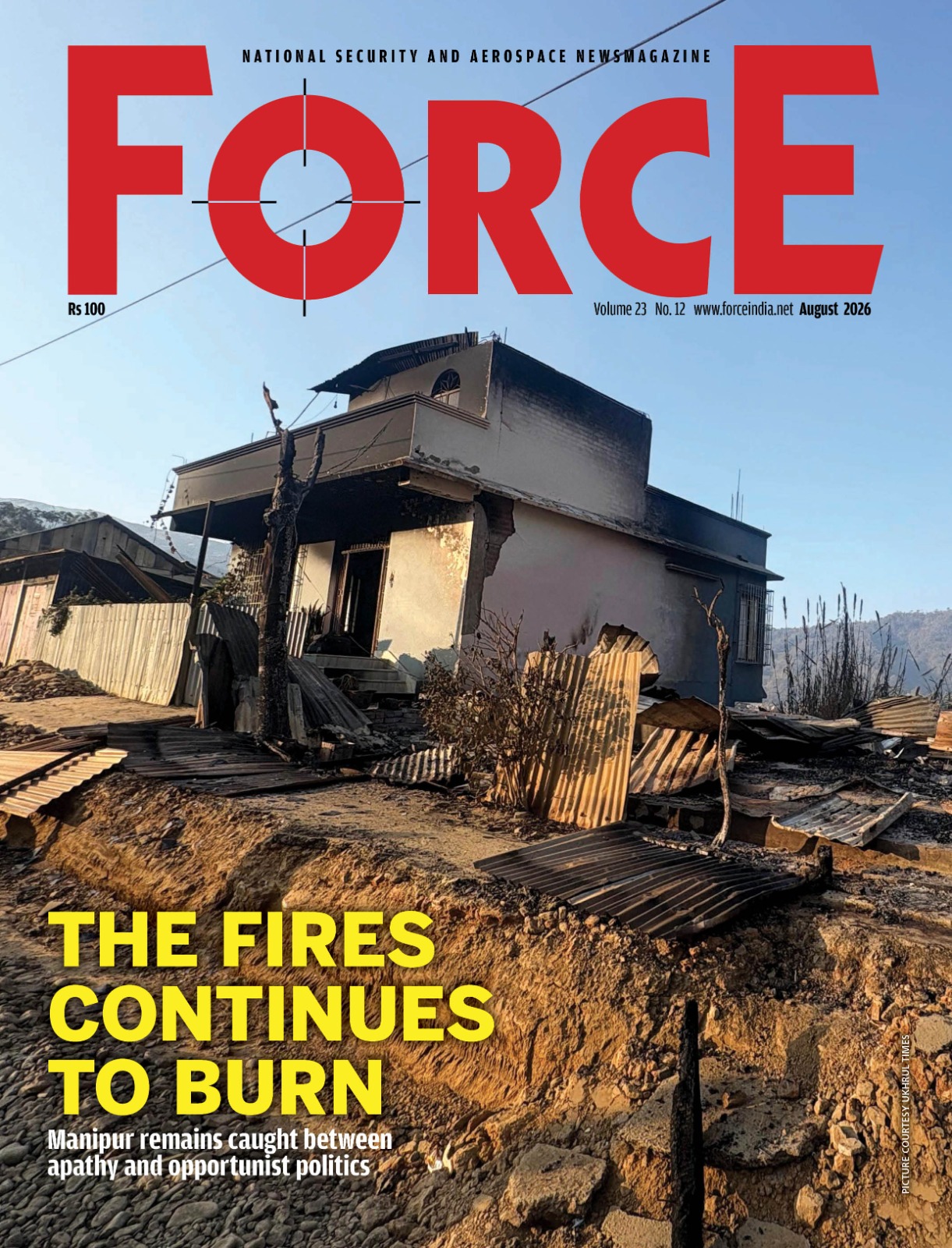
Manipur continues to experience significant unrest, with ethnic tensions between the Meitei, Kuki-Zo, and Naga communities fueling ongoing conflict, leaving residents feeling abandoned by both central and state governments. The initial Meitei-Kuki-Zo conflict had barely subsided before fresh Kuki-Naga violence emerged, indicating that the crisis is evolving rather than resolving. The situation has become increasingly complex as violence has taken on both inter-community and intra-community dimensions, giving rise to new armed militant groups that further threaten regional stability. Journalist Nandita Haksar interviewed three community leaders, including Dr. Thangjam Dhabali Singh and John Shelhan Shilsh, to capture ground-level sentiment and the current state of affairs. The interviewees reflect on the historical roots of the conflict while also offering potential pathways toward reconciliation and peace.
Key Takeaways
- 1. The proliferation of new armed groups in Manipur represents a growing internal security and counterinsurgency challenge for Indian defence and paramilitary forces operating in the region
- 2. The multi-layered ethnic conflict involving Meitei, Kuki-Zo, and Naga communities complicates military and law enforcement strategies, requiring nuanced engagement beyond conventional security responses
- 3. Continued violent bandhs and militant activity in Manipur underscore the strategic vulnerability of India's northeastern corridor, a region critical to border security with Myanmar
- 4. The emergence of intra-community violence signals a fragmentation of militant command structures, potentially increasing unpredictability and operational challenges for security forces
- 5. Sustained instability in Manipur risks undermining India's Act East Policy and cross-border security cooperation frameworks in the sensitive Indo-Myanmar border region