Taiwan's Technological Challenges Undermine Its Armed Forces Readiness and Ability to Operate Within a Joint Allied Defense Framework

Summary
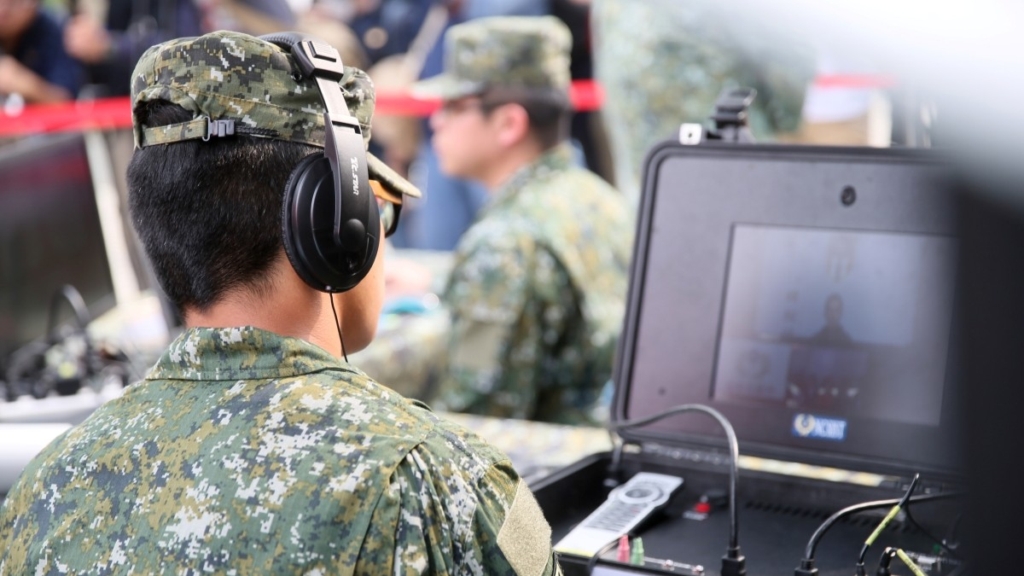
Despite being the world's leading producer of advanced semiconductors, Taiwan's military remains in the early stages of integrating artificial intelligence into its defense capabilities, creating a dangerous gap as China aggressively develops AI-enabled military systems with the stated goal of reunifying with Taiwan. Taiwan's Ministry of National Defense has taken initial steps toward military AI adoption, including establishing a Defense Innovation Office and a dedicated AI office since 2024, but significant institutional, infrastructural, and technical barriers continue to hinder meaningful progress. Defense analysts have identified six core challenges facing Taiwan's military AI development: fragmented governance structures, underdeveloped digital infrastructure, data enterprise limitations, cybersecurity vulnerabilities, insufficient military-civil collaboration, and a shortage of qualified AI talent. The absence of a unified AI framework and common technical standards risks creating siloed, incompatible systems across military branches, which would not only reduce inter-service effectiveness but also severely complicate interoperability with potential coalition partners such as the United States. Experts recommend that Taiwan's Ministry of National Defense shift its AI office's focus toward comprehensive, force-wide governance and clearly defined technology priorities, while the Legislative Yuan must increase defense AI budgeting and deepen partnerships with allied nations and their defense technology industries.
Key Takeaways
- 1. Taiwan paradoxically leads global semiconductor production yet lags significantly behind in applying AI technology within its own military forces
- 2. China's rapid advancement of AI-enabled military capabilities poses a direct and urgent threat to Taiwan, making accelerated AI military adoption a critical national security priority
- 3. Fragmented AI governance within Taiwan's military branches risks duplicated investments, interoperability failures, and incompatibility with allied coalition forces during potential conflict
- 4. Taiwan's defense community has publicly identified six major barriers to military AI adoption, yet the topic remains comparatively under-discussed relative to other defense priorities like unmanned systems
- 5. Political divisions between Taiwan's two main parties over defense spending represent a significant obstacle that requires careful navigation to secure the necessary budget allocations for meaningful military AI advancement