Applying Ukraine's Air Defense Strategies to Protect Gulf Region Skies Against Shahed Drone Threats

Summary
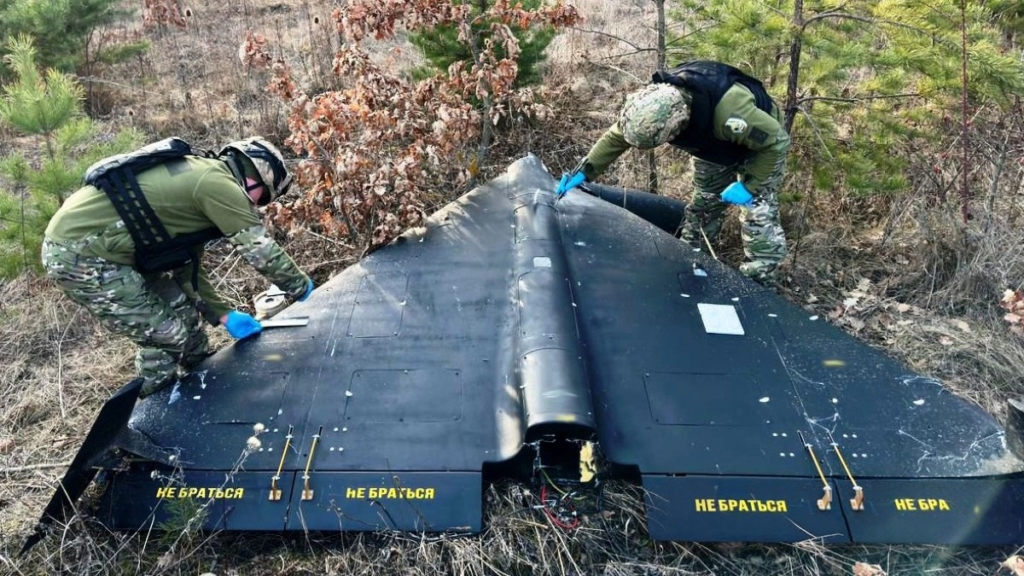
Following the confirmed deaths of six U.S. servicemembers in a drone strike at Kuwait's Port Shuaiba in early March 2026, the article highlights the urgent need for more effective counter-drone strategies in the Gulf region against Iranian Shahed drones. The piece argues that while advanced U.S. systems like Patriot missiles can intercept most threats, they are costly, limited in supply, and vulnerable to being overwhelmed by mass drone attacks — a problem Ukraine has faced extensively against Russian strike campaigns involving hundreds of drones per night. Ukraine has responded by developing a sophisticated layered air defense ecosystem that combines radar networks, digital situational awareness systems, mobile fire groups, conventional air defense assets, and low-cost interceptor drones costing between $800 and $3,000 each, achieving interception rates of approximately 50 percent or higher. The article notes that Ukraine has agreed to deploy its systems and experts to the Middle East to support U.S. defensive efforts, while being careful not to compromise its own national defense capabilities. Gulf states, unlike Ukraine, lack geographic depth due to their smaller size and concentrated coastal infrastructure, meaning Ukrainian-style drone defense must be adapted as a complementary layer rather than a direct replacement for existing systems.
Key Takeaways
- 1. Mass drone attacks are designed to exhaust air defense systems by forcing defenders into costly trade-offs, ultimately allowing adversaries to strike high-value strategic targets
- 2. Relying solely on expensive interceptor missiles like Patriots against cheap Shahed drones is economically unsustainable and strategically risky given limited interceptor stockpiles
- 3. Ukraine's layered, redundant counter-drone model — integrating low-cost interceptor drones, radars, and digital coordination — offers a proven and scalable framework for sustained defense
- 4. Gulf states face unique geographic vulnerabilities with concentrated coastal infrastructure, requiring adaptation of Ukrainian methods as a supplementary defensive layer rather than a direct operational copy
- 5. Ukraine's deployment of its own counter-drone expertise and systems to the Middle East represents a significant opportunity for knowledge transfer and enhanced regional air defense capability