U.S. Air Force Fighter Jet Engine Production Faces Serious Problems, Prompting Search for New Solutions and Suppliers

Summary
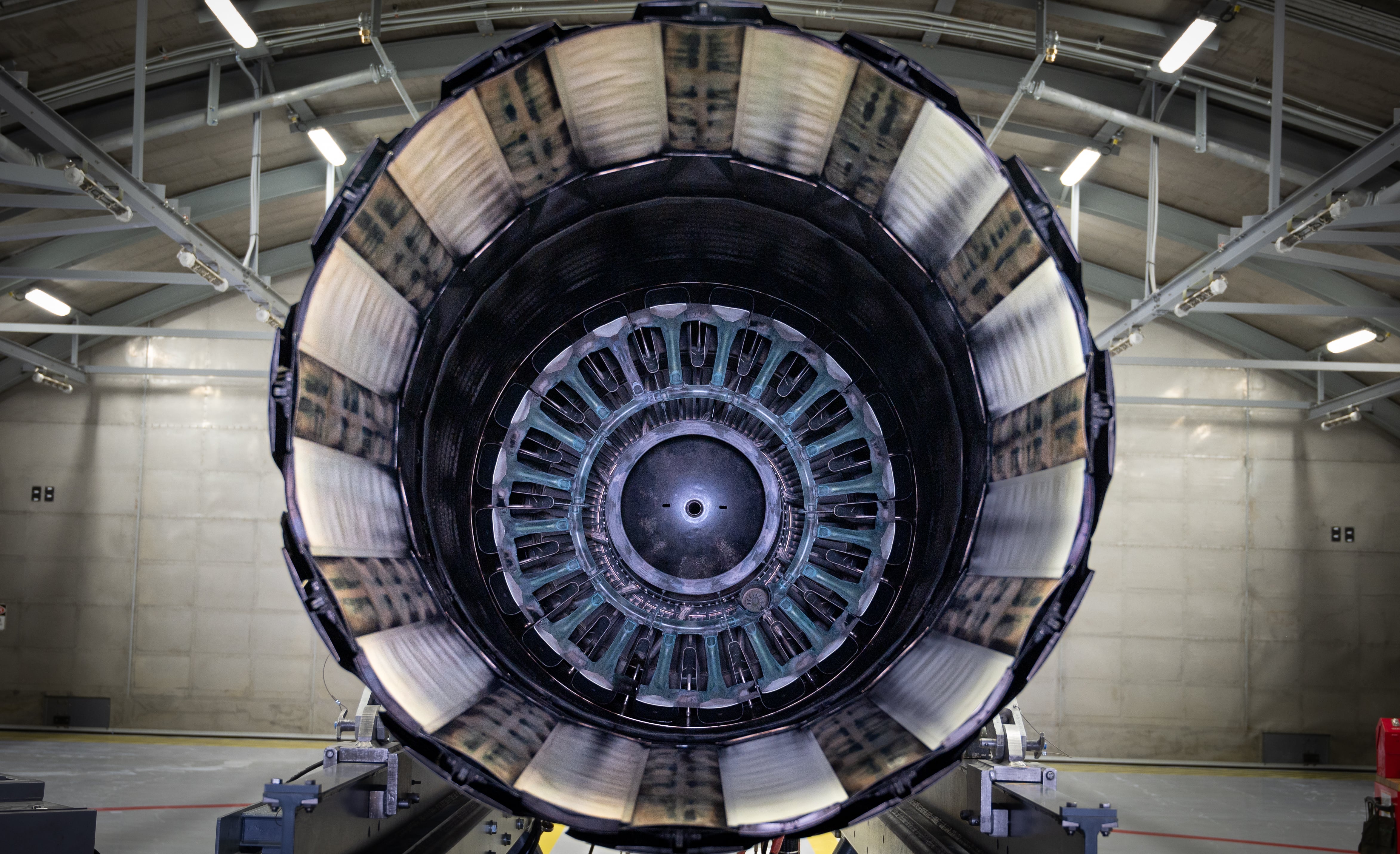
The U.S. Air Force has issued a Request for Information (RFI) signaling its deep dissatisfaction with current jet engine manufacturers, citing persistent production delays, quality control failures, and supply chain vulnerabilities that have undermined its fighter jet programs. High-profile programs such as the F-35 and B-52 modernization have suffered significantly, with the F-35's engine contractor failing to meet contract specifications after two decades of production, and the B-52 upgrade program experiencing $3 billion in cost overruns and a 15-month delay in achieving initial operational capability. In response, the Air Force is launching a multiyear procurement initiative targeting production of more than 180 engines annually by 2034, with a specific focus on engines for the F-15EX and F-16 platforms. The RFI outlines five foundational pillars aimed at transforming engine procurement, emphasizing total lifecycle cost management, vendor accountability, supply chain resilience, and easier maintenance from the outset. Additionally, the Air Force is seeking assurances that manufacturers can secure critical raw materials, particularly given China's restrictions on rare earth exports and growing global competition for specialized metals like titanium and nickel alloys.
Key Takeaways
- 1. The Air Force is actively exploring new engine manufacturers due to longstanding quality control issues, production delays, and supply chain failures with current contractors
- 2. Major programs including the F-35 and B-52 have experienced significant setbacks directly attributable to engine production problems, costing billions of dollars and years of delays
- 3. The Air Force plans to procure more than 180 fighter engines per year by 2034, prioritizing engines for the F-15EX and F-16 aircraft
- 4. A new procurement strategy will emphasize total lifecycle costs, vendor accountability, and built-in supply chain resilience rather than focusing solely on initial purchase prices
- 5. Raw material security is a growing concern, with China's rare earth restrictions and global competition for specialized alloys posing significant risks to scaling up domestic engine production