Canada's Light Utility Vehicle Procurement Race Comes Down to Two Domestic Contenders, with Roshel Among the Finalists

Summary
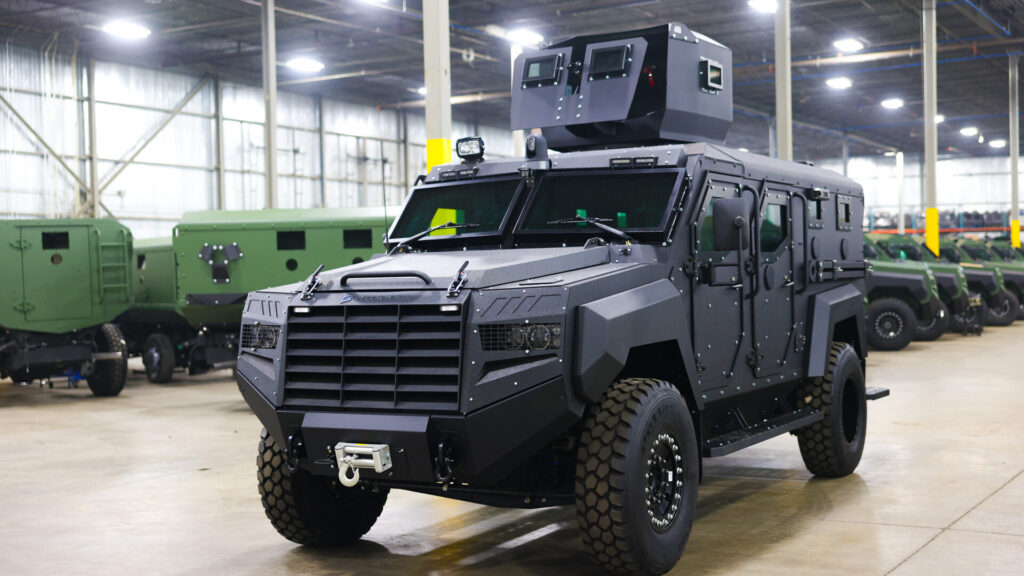
Canada's Light Utility Vehicle (LUV) program, valued at up to US$3.5 billion, has been narrowed to two Canadian-only bidders after American competitors AM General and Oshkosh Defence were removed from contention, with Brampton-based Roshel Inc. confirmed as one of the remaining finalists. The program seeks to procure between 1,600 and 2,100 vehicles plus 400 to 500 light utility trailers to replace the Canadian Army's aging Mercedes-Benz G-Wagon Special Military Pattern vehicles across multiple variants. Roshel, founded in 2016 by CEO Roman Shimonov, has built a significant international reputation by producing over 2,500 Senator armoured vehicles for Ukraine and exporting to nations including the United States, United Kingdom, Germany, and France, yet paradoxically has never supplied a vehicle to its home country's armed forces. To strengthen its bid, Roshel has formed a strategic partnership with Algoma Steel to manufacture LUV vehicles using domestically produced ballistic steel, while Shimonov has argued that genuine Canadian companies with established domestic footprints should be prioritized over foreign firms making conditional promises of Canadian operations. Notably, Roshel claims it could begin deliveries within 2026 itself, significantly ahead of the program's original 2029 delivery target, potentially giving it a competitive edge in the restructured competition.
Key Takeaways
- 1. **Buy Canadian Policy Shift:** The deliberate exclusion of American defence giants AM General and Oshkosh Defence signals a firm Canadian government commitment to prioritizing domestic industrial suppliers, reflecting broader sovereign defence procurement priorities amid evolving Canada-US relations.
- 2. **Strategic Industrial Capability Gap Exposed:** Roshel's situation highlights a critical irony in Canadian defence policy — a domestically founded armoured vehicle manufacturer with proven international export success had been unable to penetrate its own national military market, suggesting systemic procurement barriers for emerging domestic firms.
- 3. **Ukrainian Conflict Experience as Credentials:** Roshel's production of over 2,500 vehicles for Ukraine provides real-world, high-intensity conflict validation of its Senator platform, which could serve as a significant differentiator in capability assessments during the LUV evaluation process.
- 4. **Defence-Industrial Supply Chain Integration:** The Roshel-Algoma Steel partnership represents a deliberate strategy to deepen Canadian sovereign supply chain integration, linking vehicle manufacturing directly to domestic ballistic steel production and reinforcing national security arguments for the bid.
- 5. **Accelerated Delivery Timeline as Strategic Advantage:** Roshel's claim of potential delivery commencement within 2026 — roughly three years ahead of the original 2029 target — could carry significant weight given Canada's urgent military modernization needs and growing NATO capability commitments.