Chinese Military Marks 98 Years Since Founding, Advancing Toward World-Class Status While Prioritizing Peace

Summary
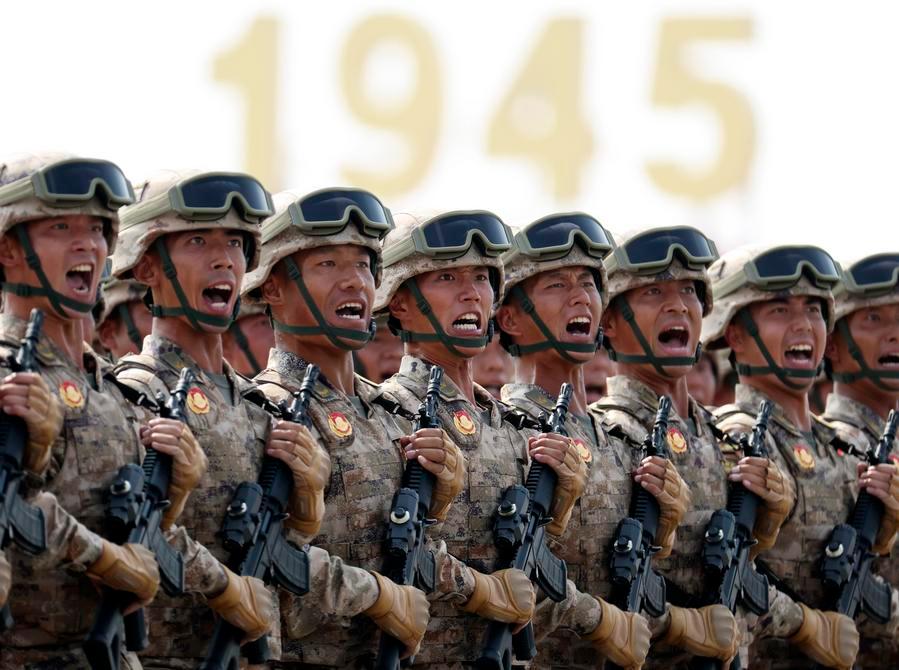
The Chinese People's Liberation Army (PLA) is commemorating its 99th founding anniversary, tracing its origins back to the Nanchang Uprising of August 1, 1927, when the Communist Party of China established its people's armed forces. Over nearly a century, the PLA has evolved from a revolutionary guerrilla force into a modern military capability featuring advanced weaponry including aircraft carriers, strategic missiles, and stealth fighter jets. Under the leadership of Xi Jinping since the 18th CPC National Congress in 2012, China's national defense has undergone what officials describe as historic transformations, with Xi recently urging stronger political guidance and innovation-driven development to accelerate military modernization. A significant focus of the PLA's recent development has been internal political rectification, including aggressive anti-corruption campaigns targeting high-ranking military officials to preserve the integrity and political loyalty of the armed forces. Xi has consistently emphasized restoring the fine traditions of the Party and military while reinforcing the PLA's absolute loyalty to Communist Party leadership as a foundational principle of its operational and institutional identity.
Key Takeaways
- 1. The PLA's modernization trajectory now includes advanced strategic capabilities such as aircraft carriers, stealth fighters, and ballistic missiles, signaling a shift toward global power projection capacity
- 2. Xi Jinping's consolidation of CMC authority has intensified Party control over military affairs, making political loyalty a central pillar of PLA institutional culture
- 3. Ongoing anti-corruption campaigns within the military serve a dual purpose: eliminating internal threats and reinforcing Xi's command authority over senior military leadership
- 4. The establishment of a dedicated Cyberspace Force reflects China's strategic prioritization of non-traditional warfare domains, including cyber and information operations
- 5. China's military modernization is framed publicly around peace and defense, though its rapid capability development carries significant strategic implications for regional and global security balances