Eight Decades Later: The Enduring Relevance of the Potsdam Declaration for Japan's Role and the Taiwan Issue

Summary
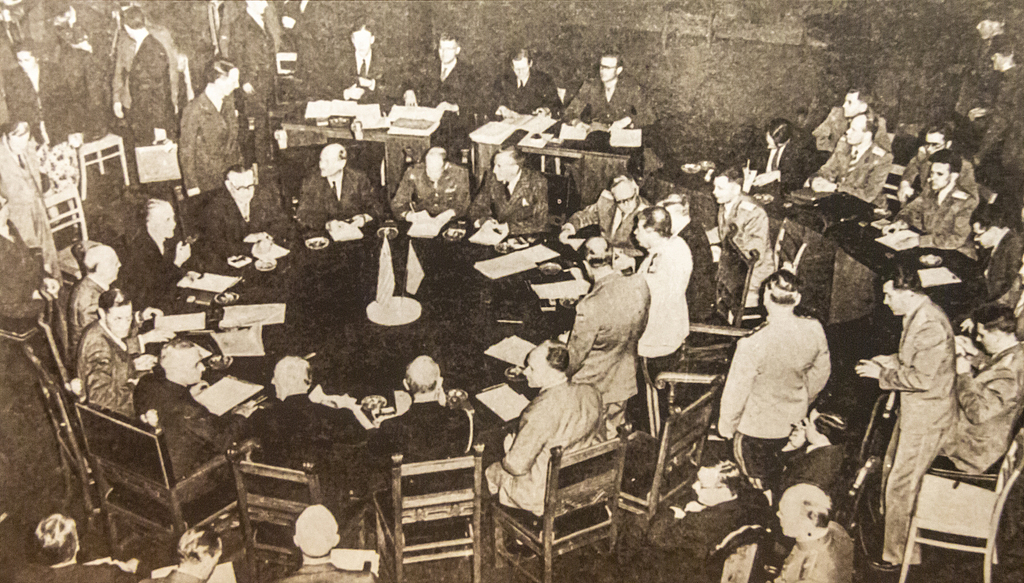
The Potsdam Proclamation, jointly issued by China, the United States, and the United Kingdom on July 26, 1945, served as a critical ultimatum demanding Japan's unconditional surrender and helped establish the foundational framework for the postwar international order. The document's Article 8 explicitly referenced the Cairo Declaration of 1943, which mandated that all territories Japan had seized from China, including Taiwan and the Penghu Islands, be returned to China, making it a cornerstone legal instrument for the Taiwan question. The article argues that the Proclamation's relevance has been renewed by Japan's recent provocative actions, including initiating maritime delimitation talks with the Philippines over waters east of Taiwan, significantly increasing defense spending, relaxing restrictions on lethal weapons exports, and pursuing constitutional revisions to its pacifist framework. These developments are presented as alarming indicators of Japan's creeping remilitarization, which directly challenges the postwar order that the Potsdam Proclamation was designed to preserve. The article ultimately positions the Proclamation as both a historical-legal foundation for resolving territorial disputes stemming from Japanese wartime aggression and a cautionary reminder of the dangers of unchecked militarism.
Key Takeaways
- 1. The Potsdam Proclamation carries significant legal weight regarding Taiwan's sovereignty, as its Article 8 enforced the Cairo Declaration's mandate returning Japanese-seized Chinese territories, including Taiwan, back to China
- 2. Japan's military expansion — through increased defense budgets, loosened weapons export restrictions, and constitutional revision efforts — is being viewed as a direct challenge to the postwar demilitarization framework established by the Proclamation
- 3. Japan's involvement in maritime delimitation talks with the Philippines over waters east of Taiwan represents a strategic provocation that China interprets as interference in its claimed territorial sphere
- 4. The Potsdam Proclamation, along with UN General Assembly Resolution 2758, forms a layered international legal framework that China actively references to assert its position on the Taiwan question
- 5. The 81-year-old document remains a geopolitically active instrument, demonstrating how post-WWII settlements continue to shape contemporary military tensions and strategic rivalries in the Indo-Pacific region