The Transformation of Loyal Wingman Drones into Advanced Collaborative Combat Unmanned Systems

Summary
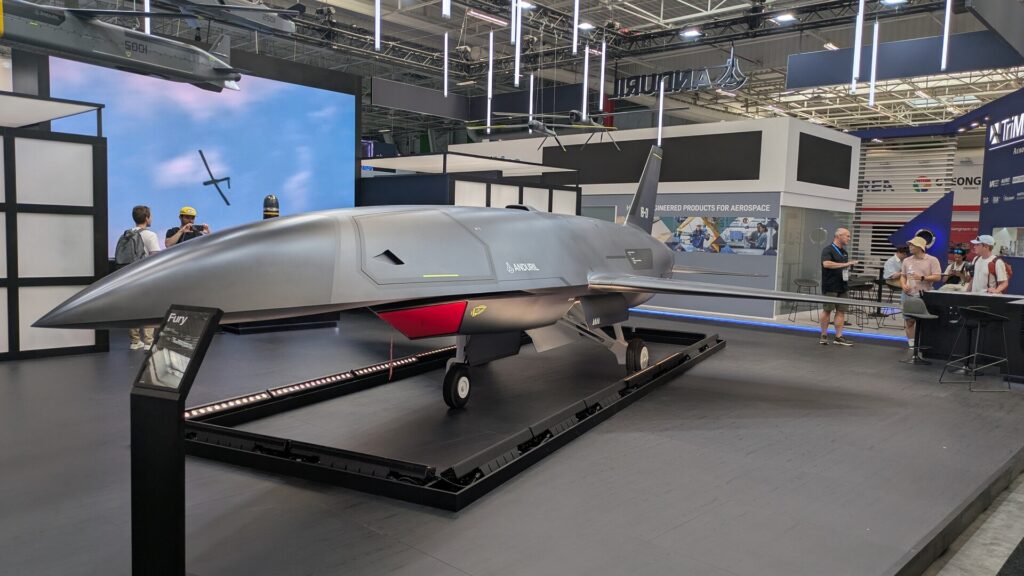
The U.S. Air Force awarded its first production contracts in June 2026 for over 150 collaborative combat aircraft (CCA), split between Anduril Industries' FQ-44A Fury and General Atomics' FQ-42A Dark Merlin, at a target unit cost of $30 million each — far exceeding the original vision of sub-$2 million attritable drones. This dramatic cost escalation reflects two fundamental shifts in the loyal wingman concept: the aircraft themselves have grown larger, more capable, and considerably more complex than initially envisioned, while the original affordability and disposability principles are being redirected toward a separate category of smaller expendable systems such as loitering munitions, decoys, and dual-purpose cruise missile/decoy drones. Despite this upward cost trajectory, global interest in loyal wingman and collaborative combat aircraft programs continues to grow rather than diminish. The concept originally emerged from the USAF's Low Cost Attritable Strike Demonstrator (LCASD) program in 2019, which prioritized simplicity and cost control for jet-powered combat drones capable of both air-to-air and air-to-surface missions. The evolution essentially represents a bifurcation of the original concept into two distinct tiers of uncrewed systems with different roles and cost profiles.
Key Takeaways
- 1. **Cost Escalation is Significant:** CCA unit costs have risen from an aspirational sub-$2 million to approximately $30 million, signaling a fundamental departure from the original "attritable" drone philosophy
- 2. **Capability-Driven Complexity:** Loyal wingman UCAVs have evolved beyond simple, disposable platforms into sophisticated, multi-mission aircraft capable of meaningful combat contributions alongside crewed fighters
- 3. **Emerging Two-Tier Drone Strategy:** Military planners are increasingly bifurcating uncrewed systems into high-capability CCAs and lower-cost expendable drones (loitering munitions, decoys), creating a layered unmanned combat architecture
- 4. **Growing Global Competition:** Despite rising costs, the number of nations pursuing collaborative combat aircraft programs is expanding, reflecting the strategic value assigned to human-machine teaming in future air combat
- 5. **Industrial and Strategic Implications:** The shift toward more complex CCAs benefits established defense contractors like Anduril and General Atomics, potentially raising barriers to entry and reshaping competitive dynamics in the unmanned combat aircraft market