China's Top Diplomat Warns Philippines to Choose Wisely as Bilateral Ties Reach a Defining Moment

Summary
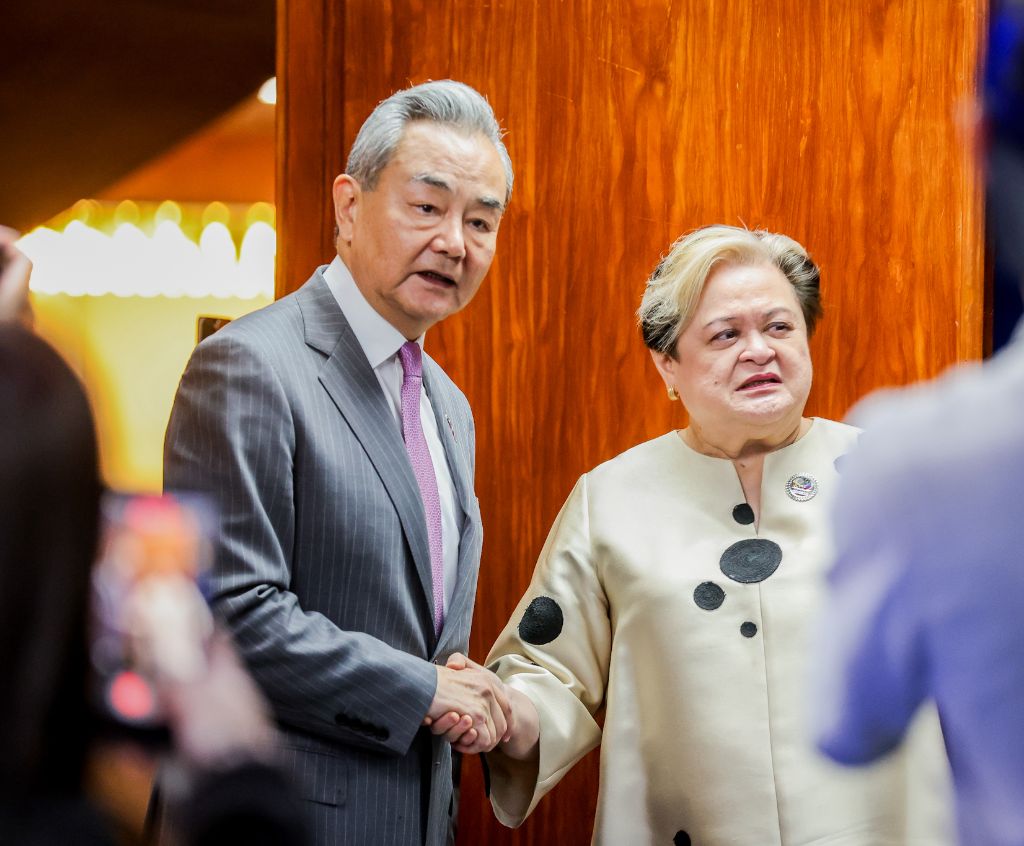
Chinese Foreign Minister Wang Yi met with Philippine Foreign Affairs Secretary Ma. Theresa Lazaro in Manila on July 22, 2026, delivering a stern message that China-Philippines relations have reached a critical turning point, with the responsibility for choosing the right path resting on the Philippine side. Wang lodged a formal protest over the ramming of Chinese law-enforcement vessels at Ren'ai Jiao (Second Thomas Shoal) by Philippine personnel, characterizing this as reckless conduct that undermines regional stability. The Chinese minister accused certain factions within the Philippines, particularly military and law enforcement elements, of deliberately sabotaging diplomatic dialogue at the behest of external forces — widely understood to refer to the United States — warning that such behavior reduces the Philippines to a geopolitical pawn bearing the consequences of others' agendas. Wang firmly rejected the 2016 South China Sea arbitral tribunal ruling as illegal and void, reaffirming China's position that bilateral dialogue and consultation are the only legitimate mechanisms for managing territorial disputes. He emphasized that China poses no historical or contemporary security threat to the Philippines, urging both nations to collectively safeguard regional peace rather than allow outside interference to deepen tensions.
Key Takeaways
- 1. **Strategic Warning:** China is framing the current bilateral relationship as a decisive crossroads, placing diplomatic pressure squarely on Manila to realign its foreign policy posture away from external alliances perceived as destabilizing
- 2. **South China Sea Tensions:** The Ren'ai Jiao (Second Thomas Shoal) incident involving the ramming of Chinese coast guard vessels signals continued and potentially escalating physical confrontations in disputed waters
- 3. **Anti-External Interference Narrative:** Beijing is intensifying its messaging that U.S. involvement in Philippine security arrangements constitutes foreign meddling that undermines regional stability and exploits Manila's sovereignty
- 4. **Arbitration Rejection Reaffirmed:** China unequivocally restated its non-recognition of the 2016 arbitral tribunal award, reinforcing its legal and strategic position that only bilateral negotiations hold legitimacy in resolving maritime disputes
- 5. **Internal Philippine Divisions:** Wang Yi's explicit identification of Philippine military and law enforcement factions as spoilers of dialogue suggests China is attempting to exploit perceived civil-military tensions within the Philippines as a diplomatic leverage tool