U.S. Army Establishes New Multi-Domain Command for Indo-Pacific Operations
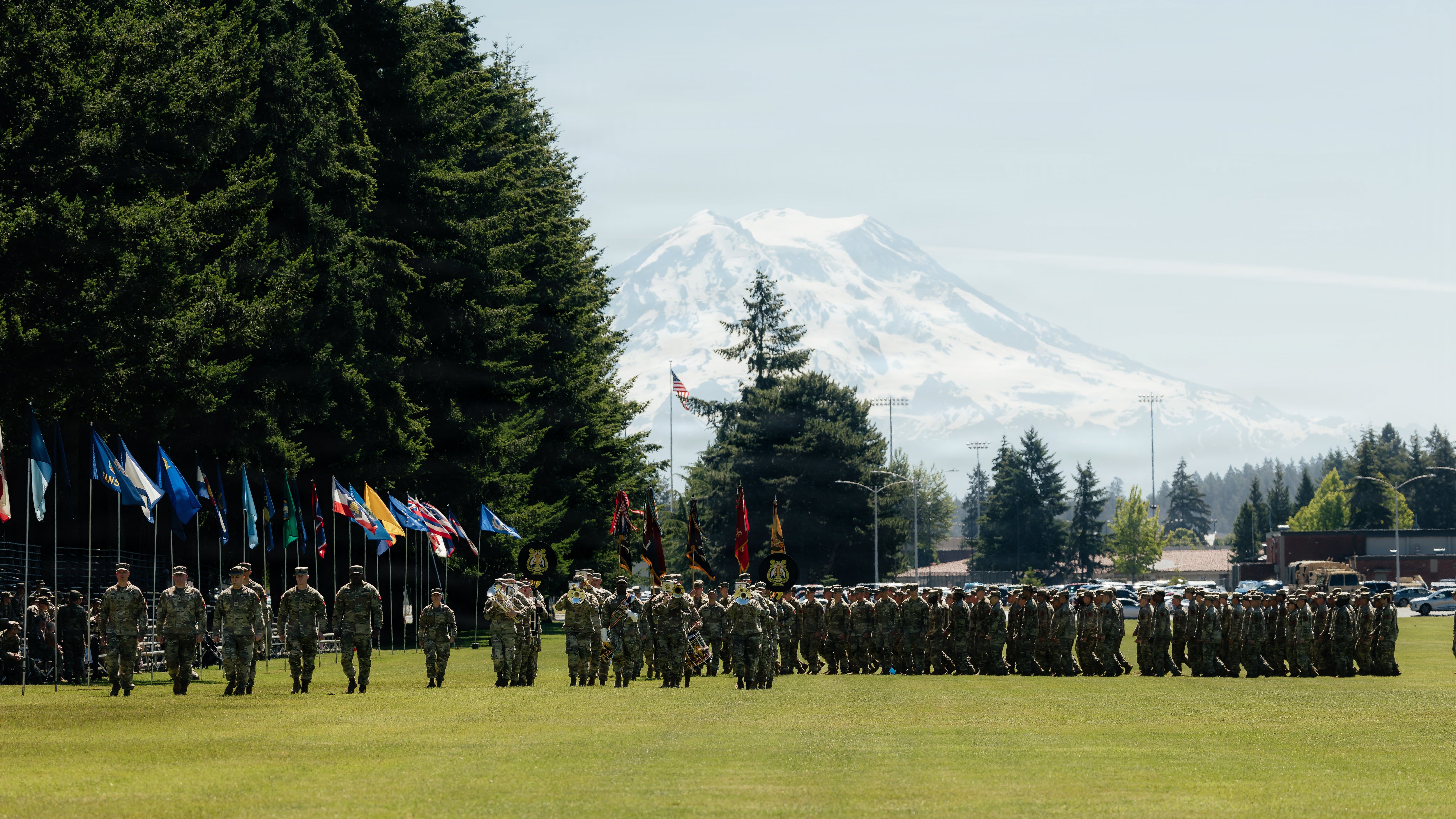

Summary
The U.S. Army has officially activated a new command structure in the Indo-Pacific region, merging the 1st Multi-Domain Task Force Headquarters with the 7th Infantry Division to create the 7th Infantry Division (Multi-Domain Command-Pacific) at Joint Base Lewis-McChord. This new formation integrates traditional Stryker combat units with advanced capabilities including cyber, space, electronic warfare, unmanned systems, and artificial intelligence into a unified operational framework. At the core of this new command is the Cross Domain Contact Layer, an interconnected architecture that links sensors, drones, precision weapons, and digital networks across land, air, sea, space, and cyberspace to create continuous threat coverage against adversaries. The restructuring is part of the Army's broader transformation initiative aimed at distributing advanced capabilities across formations operating in contested environments, particularly building upon years of experimentation and deployments in the Indo-Pacific, including cooperation with the Armed Forces of the Philippines.
Key Takeaways
- 1. The 7th Infantry Division has been redesignated as a Multi-Domain Command, merging conventional and advanced warfighting capabilities into a single formation
- 2. The Cross Domain Contact Layer serves as the technological backbone, integrating AI, electronic warfare, and intelligence gathering into one continuous network
- 3. The new command will utilize cutting-edge assets including unmanned surface vessels, long-range one-way attack drones, and launched effects to counter enemy anti-access/area-denial strategies
- 4. This reorganization reflects the Army's broader modernization effort to embed advanced capabilities directly within maneuver units operating in contested environments
- 5. The formation builds upon prior experimentation and collaboration with regional allies, particularly the Philippines, strengthening U.S. partnerships across the Indo-Pacific