Global Conflicts Redirect Farnborough Airshow's Spotlight Away from Commercial Aircraft and Toward Defense and Weaponry

Summary
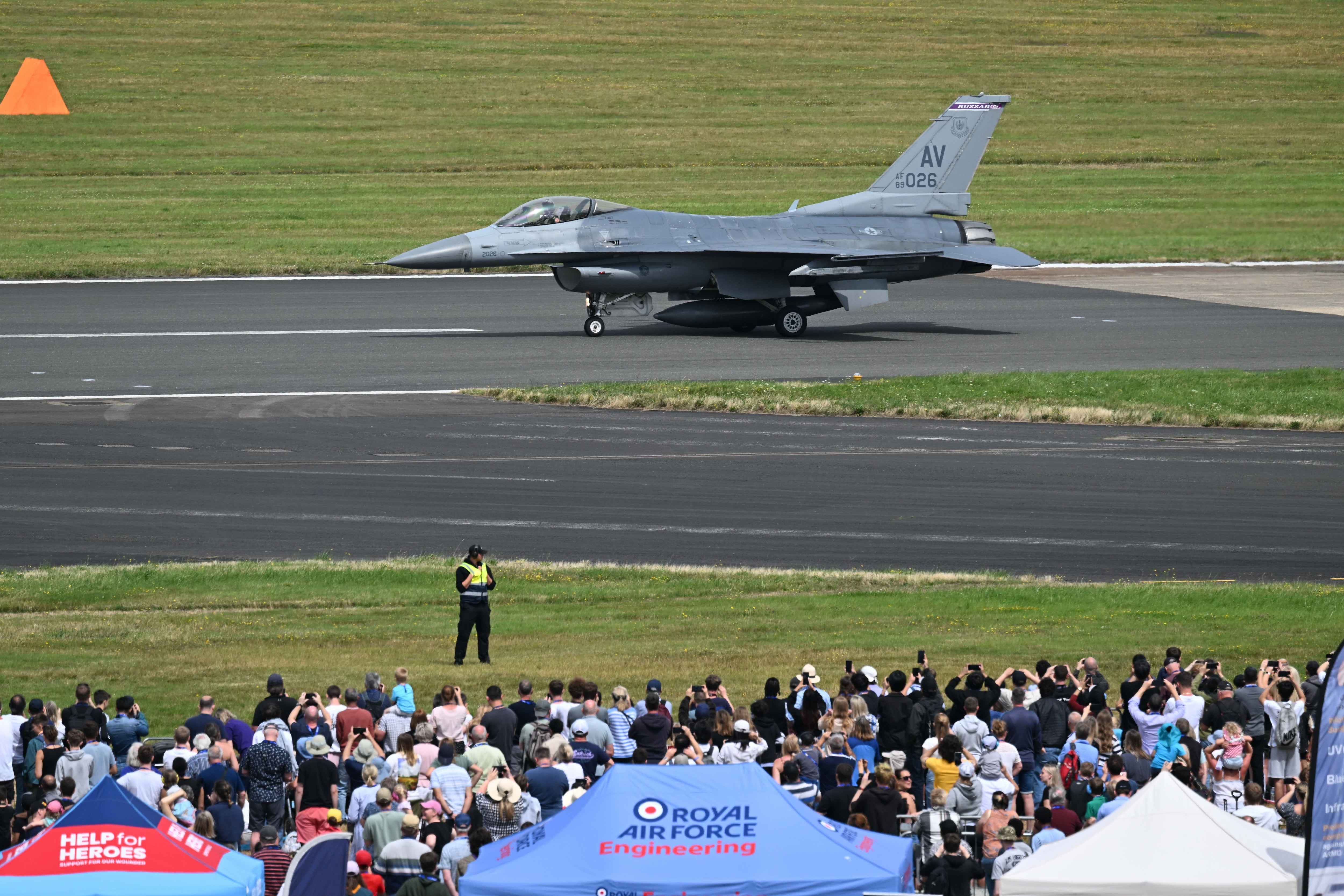
The 2024 Farnborough Airshow, running July 20-24, is expected to place unprecedented emphasis on defense and weapons systems, driven by ongoing conflicts in Ukraine and the Middle East and the largest surge in European defense spending since the Cold War. Defense exhibitors now account for half of the record 1,600 participants, a significant increase from the historical 40%, with notable growth in AI, deep-tech, and defense startup representation. Influential industry figures, including former Airbus CEO Tom Enders, highlighted a fundamental cultural divide between traditional defense contractors and agile, self-funded startups like Helsing and Anduril, which are pushing AI-driven and uncrewed systems that could revolutionize the defense industry similarly to how SpaceX transformed space launch. On the commercial aviation side, the traditional Boeing-Airbus order competition is expected to take a backseat, with total aircraft deals potentially falling well below pre-show forecasts of 800 jets, as production capacity constraints and lingering supply chain challenges remain more pressing concerns than winning new orders. Despite ongoing supply chain struggles with critical components like castings, forgings, and engines, GE Aerospace's CEO expressed cautious optimism, stating the supply chain has "turned the corner," though significant work remains for manufacturers to hit their production targets.
Key Takeaways
- 1. Defense now dominates Farnborough, representing 50% of exhibitors, reflecting escalating global security threats from conflicts in Ukraine and the Gulf region
- 2. Defense startups like Helsing and Anduril are challenging traditional contractors by investing their own capital in AI-driven and autonomous weapons systems, potentially disrupting the industry
- 3. Commercial aircraft order announcements are expected to disappoint, with deals likely falling well short of the 800-jet forecast due to production capacity limitations
- 4. Both Airbus and Boeing face persistent supply chain hurdles, with Airbus struggling to reach its 2027 target of 75 single-aisle jets per month and Boeing's planned rate increases risking further complications
- 5. GE Aerospace signals cautious optimism about supply chain improvements, though full resolution of parts shortages for engines and aircraft interiors remains an ongoing challenge