Two Defense Tech Firms Take Legal Action Against the US Navy Following Exclusion from Unmanned Surface Vessel Program

Summary
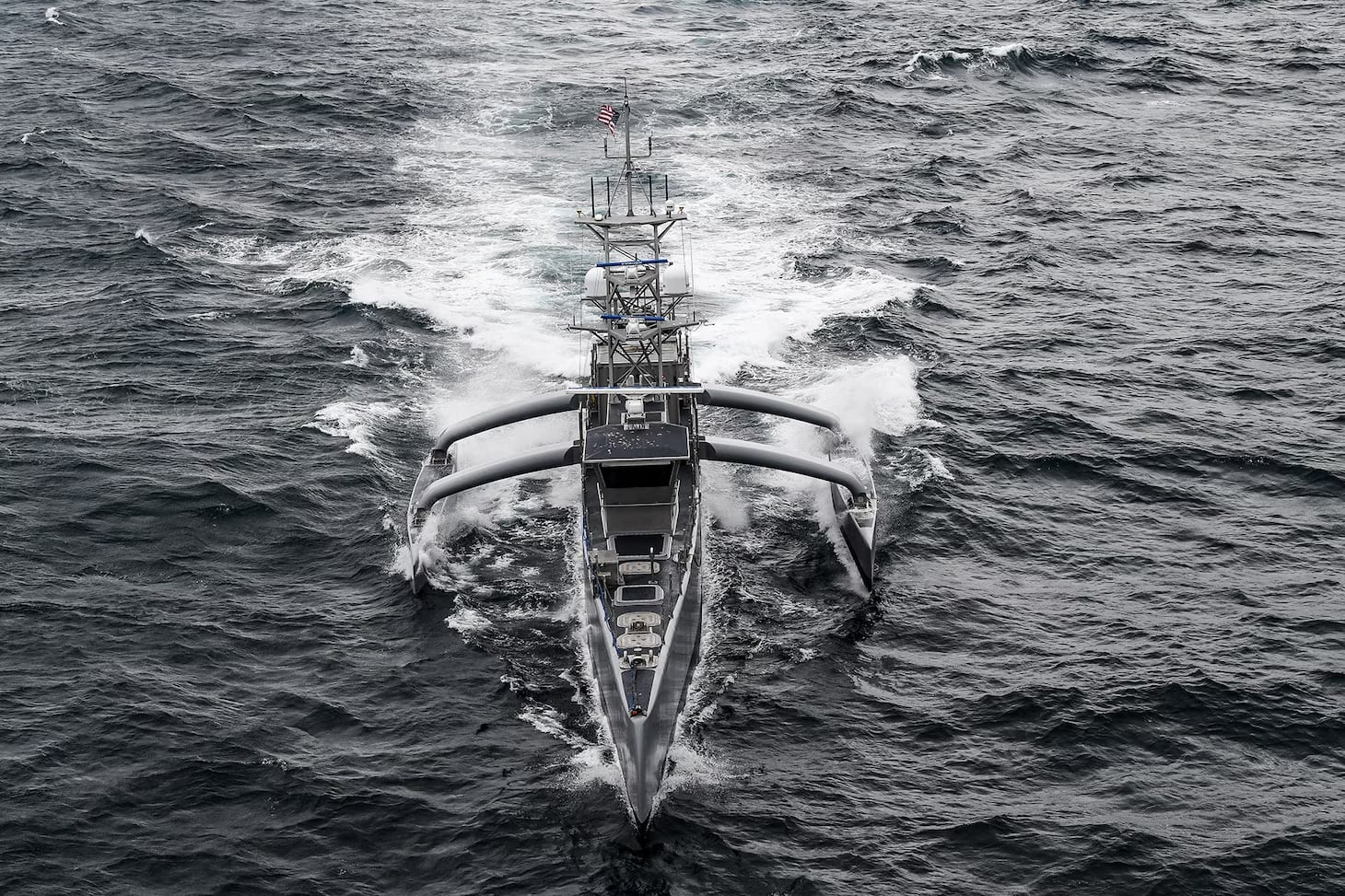
Blue Water Autonomy and Saildrone have filed separate lawsuits in the U.S. Court of Federal Claims, alleging that the Navy improperly removed them from competition for its Medium Unmanned Surface Vessel (MUSV) Family of Systems program. Both companies claim the Navy failed to follow its own evaluation criteria and made irrational or flawed assessments of their proposals, while the Navy declined to comment on the pending litigation. The MUSV program, which replaced the canceled Modular Attack Surface Craft program, ultimately selected seven other companies — including Leidos, Saronic Technologies, and Huntington Ingalls Industries — to advance to at-sea testing on June 1. Blue Water Autonomy argues it was particularly disadvantaged, having already invested resources into developing its Liberty vessel under the prior MASC program before being barred from continuing, while Saildrone claims it only learned of its disqualification through a news article and was given no adequate explanation. Both companies are seeking reinstatement into the program and are requesting the Navy pause testing and funding until the alleged evaluation errors are corrected.
Key Takeaways
- 1. Blue Water Autonomy and Saildrone filed federal lawsuits alleging the Navy used flawed, overly restrictive, or inconsistent evaluation criteria to wrongfully exclude them from the MUSV program
- 2. The Navy selected seven companies for MUSV at-sea testing, leaving out both plaintiffs without providing clear or satisfactory explanations for their exclusion
- 3. Blue Water Autonomy suffered financial losses after investing in vessel development under the predecessor MASC program, which was canceled before it could demonstrate its capabilities
- 4. Saildrone argues its extensive track record — operating the world's largest contractor-owned USV fleet with over 2.5 million nautical miles logged — made it a highly qualified candidate that was unjustly disqualified
- 5. The MUSV program carries significant financial stakes, with the FY2027 Navy budget calling for 63 unmanned vessels and the One Big Beautiful Bill Act allocating $2.1 billion for medium unmanned surface vessels