Pakistan Navy's Stealthy Path Toward Developing Domestically Designed Submarines

Summary
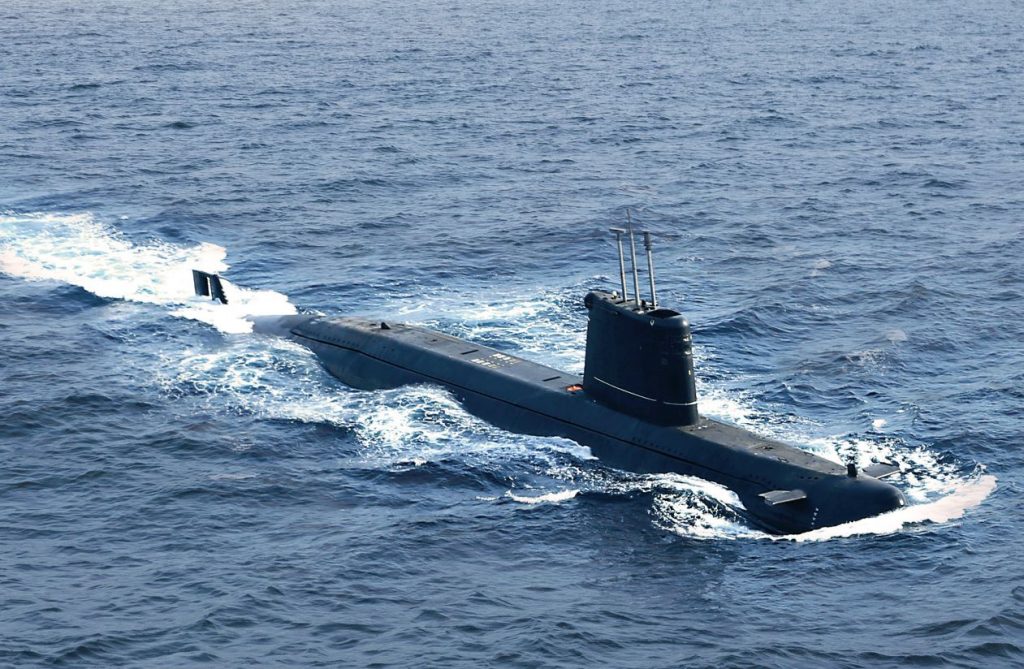
Pakistan's Chief of Naval Staff, Admiral Naveed Ashraf, has confirmed that the Pakistan Navy intends to design and develop an original indigenous submarine following the induction of its Chinese-assisted Hangor-class (S26) submarines, marking a significant milestone in the navy's long-term ambition to become a self-sufficient submarine-building force. The planned indigenous submarine is intended to eventually serve as a successor to the aging Khalid-class (Agosta 90B) boats, whose French OEM support from Naval Group is diminishing, making long-term sustainment increasingly difficult and expensive. A realistic timeline suggests that design work could begin before 2030, with a first vessel potentially entering sea trials around 2040, coinciding approximately with four decades of service for the lead Agosta 90B vessel. Central to making this ambition feasible is Pakistan's ongoing industrial development, particularly at Karachi Shipyard & Engineering Works (KSEW), where Chinese-assisted Hangor construction has helped build critical shipbuilding capacity, including a Norwegian-supplied Syncrolift system that enables inland hull assembly across 13 workstations. This indigenous submarine program represents a third major in-house naval development effort for Pakistan, alongside the Jinnah-class frigate and Sea Sultan maritime patrol aircraft programs.
Key Takeaways
- 1. Pakistan Navy has formally signaled its intent to design an original indigenous submarine, elevating its strategic ambition beyond licensed production to full sovereign design capability
- 2. The Khalid-class (Agosta 90B) submarines face a looming sustainment crisis as French OEM support diminishes, creating strategic urgency for a domestically developed successor platform
- 3. KSEW's expanding industrial infrastructure, including the Syncrolift inland assembly system, is deliberately being developed to support the long-term requirements of an indigenous submarine construction program
- 4. China's role in the Hangor-class program is serving a dual purpose — delivering combat capability while simultaneously transferring critical shipbuilding knowledge and expanding Pakistan's naval-industrial base
- 5. Pakistan's broader naval indigenization strategy, encompassing submarines, frigates, and maritime patrol aircraft, reflects a deliberate long-term effort to reduce foreign dependency and strengthen strategic self-reliance