Names of World War II Flying Tigers Airmen Unaccounted for in China Made Public, Search for Missing Personnel Initiated

Summary
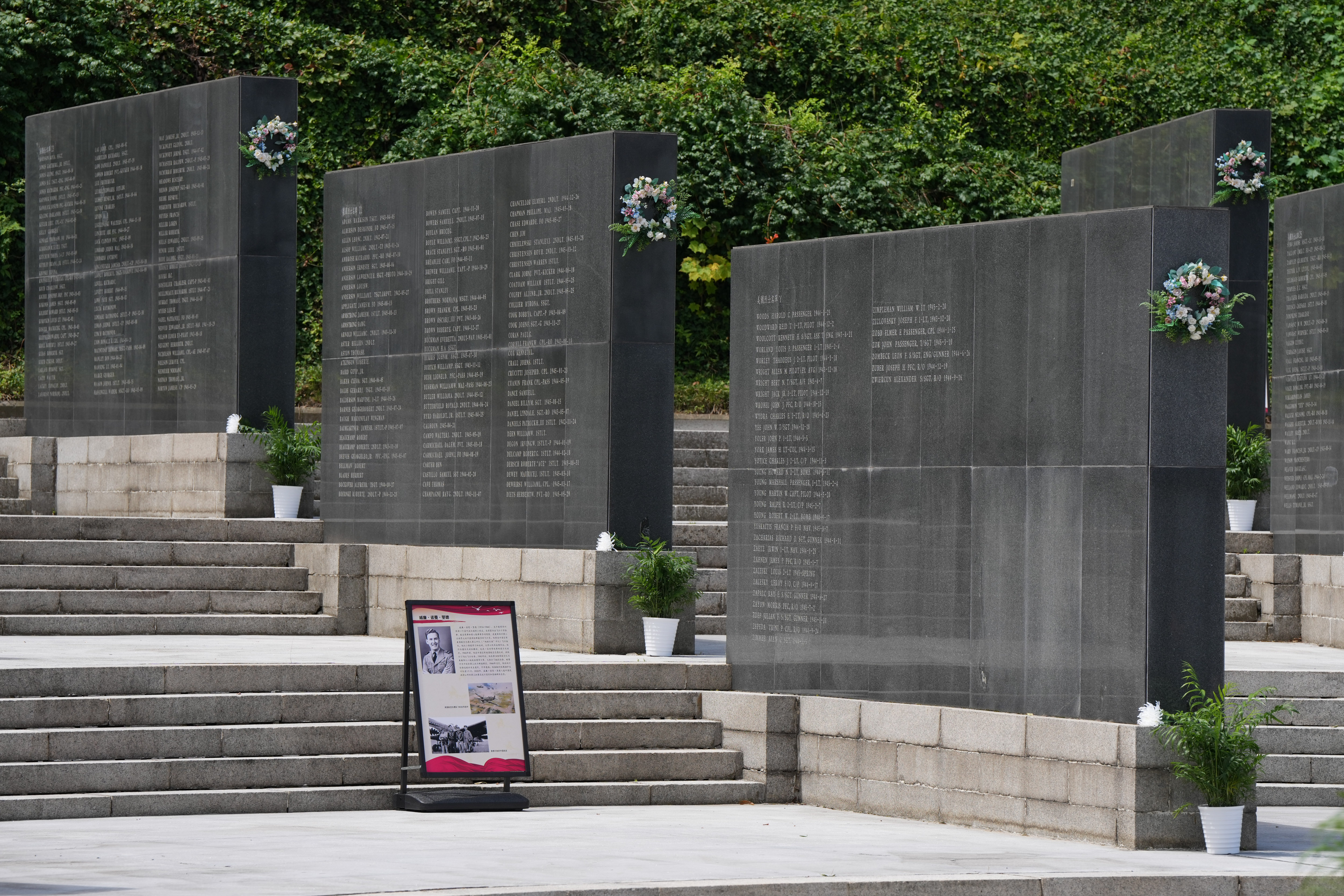
On the 85th anniversary of the Flying Tigers' arrival in China, a comprehensive list of missing American airmen from the legendary U.S. volunteer air units was officially released at a ceremony in Nanjing, China. The list was compiled by the Sino-American Aviation Heritage Foundation using cross-referenced data from multiple authoritative U.S. institutions, including the National Archives, the Air Force Historical Research Agency, and the Defense POW/MIA Accounting Agency. The Nanjing Anti-Japanese Aviation Martyrs Memorial Hall, which already bears the names of 2,605 U.S. anti-Japanese aviation martyrs, is conducting a detailed cross-verification process to reconcile the newly released list with existing inscriptions, with unmatched names becoming subjects of further historical research. A joint information solicitation campaign has been launched by Chinese and American organizations to encourage members of the public to come forward with any leads regarding the final whereabouts of these missing personnel. The initiative aims to bring long-awaited closure to American families who have spent over eight decades waiting for news about their missing Flying Tigers relatives.
Key Takeaways
- 1. **U.S.-China Historical Military Cooperation:** The joint effort between Chinese memorial institutions and the Sino-American Aviation Heritage Foundation demonstrates continued bilateral cooperation on shared WWII historical accountability, reflecting a rare area of constructive U.S.-China engagement despite broader geopolitical tensions.
- 2. **Scale of Wartime Sacrifice:** More than 2,000 Flying Tigers airmen lost their lives during WWII operations in China, underscoring the significant human cost of the U.S.-China joint military effort against Japanese aggression.
- 3. **Strategic Significance of POW/MIA Accountability:** The involvement of the U.S. Defense POW/MIA Accounting Agency highlights the enduring strategic and humanitarian importance the United States places on accounting for all missing military personnel, even decades after conflicts have ended.
- 4. **Chinese Civilian Wartime Contribution:** Thousands of Chinese civilians sacrificed their lives rescuing over 200 downed American pilots, a historical fact being formally documented and commemorated, which carries symbolic weight in current Sino-American relations narratives.
- 5. **Soft Power and Historical Diplomacy:** China's prominent role in hosting this commemoration and maintaining the Aviation Martyrs Memorial Hall represents a deliberate use of shared wartime history as a soft power tool to reinforce positive historical ties with the United States amid contemporary strategic rivalries.