China's Decades-Long Path to Nuclear Missile Capability: The Story Behind Its Recent Submarine-Launched Ballistic Missile Test

Summary
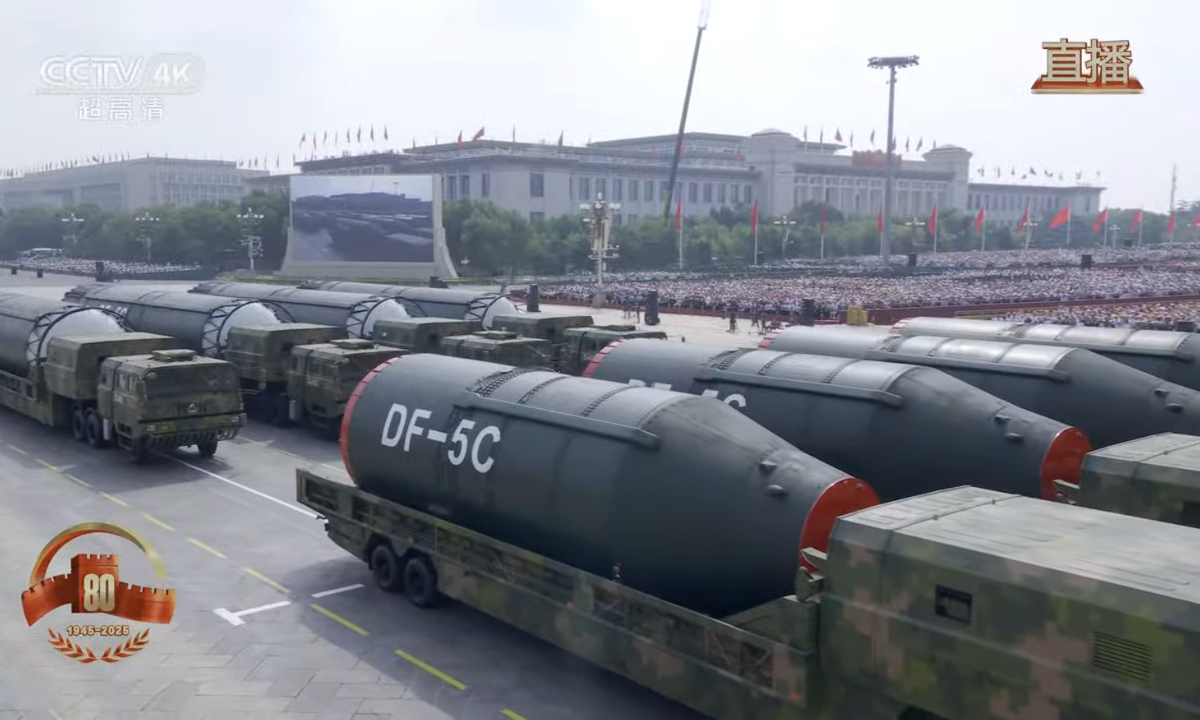
On July 6, 2026, the Chinese PLA Navy successfully test-launched a submarine-launched ballistic missile (SLBM) carrying a training dummy warhead into the Pacific Ocean, with the entire event publicly disclosed within an hour of launch. Military experts identified the missile as likely being a Julang (JL)-series SLBM with a range exceeding 8,000 kilometers, classifying it as an intercontinental ballistic missile (ICBM) capable of striking distant targets. China's nuclear weapons program traces its origins back to the 1960s, beginning with its first atomic bomb test in 1964 and hydrogen bomb test in 1967, underpinned by the foundational missile research institute established in 1956 under renowned scientist Qian Xuesen. Early development relied heavily on studying Soviet R-2 missile technology, with China successfully replicating and testing three such missiles by 1960 before transitioning to fully indigenous missile development. China has consistently maintained a nuclear strategy centered on self-defense and a firm no-first-use policy, framing its nuclear arsenal as a deterrent force rather than an offensive instrument.
Key Takeaways
- 1. China's rapid public disclosure of the SLBM test within one hour signals a deliberate strategic transparency move, likely intended to demonstrate credible nuclear deterrence to international audiences
- 2. The Julang SLBM's estimated range exceeding 8,000 kilometers confirms China's sea-based second-strike capability, significantly strengthening its nuclear triad and survivability against pre-emptive attacks
- 3. China's missile development journey from Soviet-era technology dependency to fully indigenous ICBM capability reflects decades of sustained strategic investment in defense-industrial self-reliance
- 4. Beijing's consistent adherence to a no-first-use nuclear policy distinguishes its declared nuclear doctrine from other major powers, though the test may still raise concerns among regional and global competitors
- 5. The high-profile nature of this test, combined with expert commentary amplified through state media, suggests China is deliberately signaling enhanced nuclear capabilities amid ongoing geopolitical tensions in the Indo-Pacific region