Rheinmetall and MBDA Partner to Create High-Energy Laser Defense System for Germany's Naval Forces

Summary
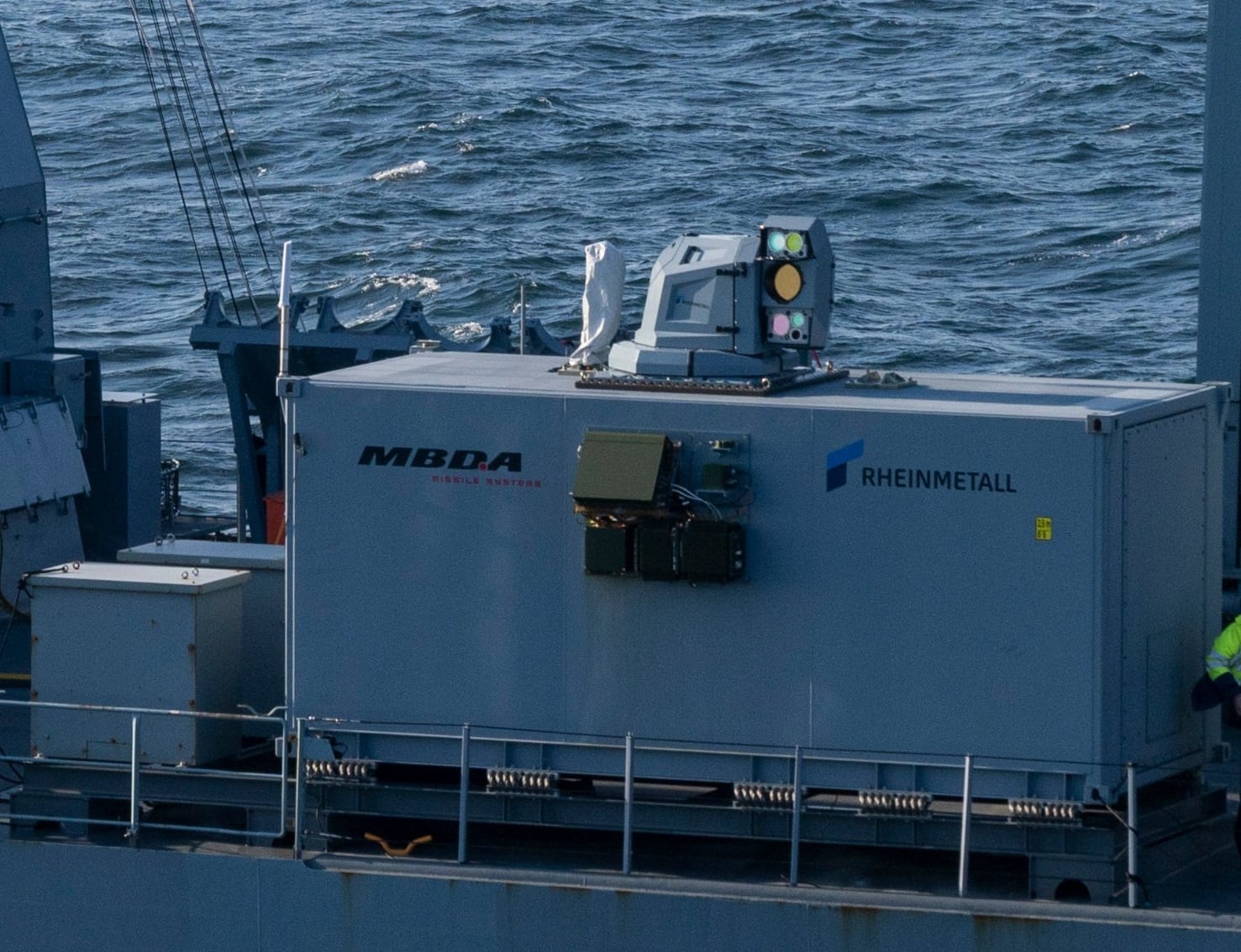
Rheinmetall and MBDA have secured a contract with the German armed forces equipment office to develop a high-energy laser weapon system for the German Navy, with an expected operational date of 2029 and a contract value in the "mid three-digit" million-euro range. The weapon system will cover the full spectrum of capabilities, from reconnaissance and target tracking to engagement, and is designed to significantly enhance protection for naval personnel, particularly against drone threats. The project builds upon an already advanced demonstrator that was tested aboard the German frigate Sachsen, which traveled 28,000 nautical miles and successfully fired over 1,000 shots at various targets across more than a year of testing. Beyond naval applications, the containerized laser system is also intended to serve as a cost-effective solution for port security, and has demonstrated effectiveness even in adverse weather conditions. The article also briefly highlights related European defense developments, including Belgium's €3.1 billion investment in layered air defense systems and France's first outdoor testing of an electromagnetic railgun.
Key Takeaways
- 1. Rheinmetall and MBDA have signed a multi-million euro contract to develop a fully operational naval laser weapon system for Germany by 2029
- 2. The laser system's technological maturity is already proven through extensive sea trials aboard the German frigate Sachsen, with over 1,000 test shots fired
- 3. Naval vessels are considered ideal platforms for high-energy laser weapons due to their available space, power supply, sensors, and cooling capacity
- 4. The weapon system is primarily designed to counter drone threats while also offering potential for cost-effective port security applications
- 5. Germany's laser development joins a broader European trend of directed-energy weapon investments, alongside the UK's DragonFire program and Belgium's major air defense spending initiative