America's Armed Forces Lack the Proper Structure to Effectively Wage Cyber Warfare

Summary
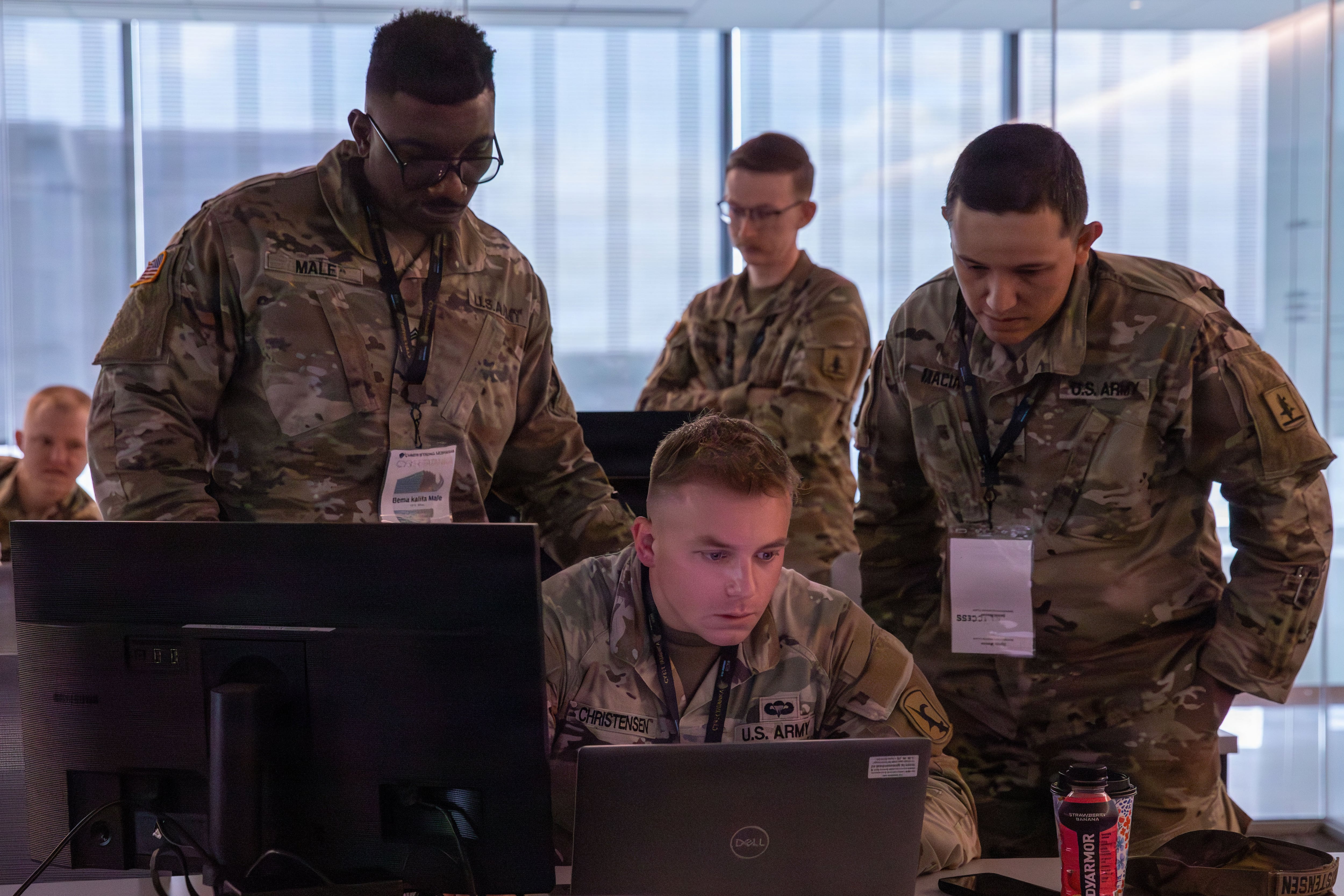
The United States military currently lacks a dedicated service branch specifically designed to recruit, train, equip, and retain personnel for cyber warfare, instead treating cyberspace operations as a secondary function spread across existing military branches. While U.S. Cyber Command is responsible for employing cyber capabilities in operations, it relies on the Army, Navy, Air Force, and other services to generate its workforce — services that naturally prioritize their own core missions over cyber responsibilities. This structural gap has created persistent problems in recruiting and retaining specialized cyber talent, as existing military personnel systems were never designed to reward deep technical expertise in the way cyber warfare demands. A new report from the Foundation for Defense of Democracies and the Center for Strategic and International Studies recommends the creation of a dedicated Cyber Force with a clearly defined mission to organize, train, and equip forces for offensive and defensive cyber operations, without absorbing all military IT functions. The authors argue that just as the Air Force and Space Force were created when their respective domains became critical to national security, the growing cyber threat from adversaries like China, Russia, and Iran — accelerated by artificial intelligence — demands the same institutional commitment to cyberspace.
Key Takeaways
- 1. No existing military branch treats cyber warfare as its primary mission, leaving the U.S. with a fragmented and underpowered cyber force
- 2. U.S. Cyber Command depends on other services for force generation, creating inconsistent recruiting, training, and retention outcomes
- 3. Current military career models fail to reward technical cyber expertise, driving talented operators away from operational roles
- 4. Adversaries including China, Russia, Iran, and North Korea are actively exploiting this organizational gap, with AI further accelerating the threat
- 5. A newly established dedicated Cyber Force — modeled after the creation of the Air Force and Space Force — is recommended to provide focused leadership, culture, and capability development for the cyber domain