Xi Urges China and North Korea to Strengthen Socialist Development and Modernization Efforts Together

Summary
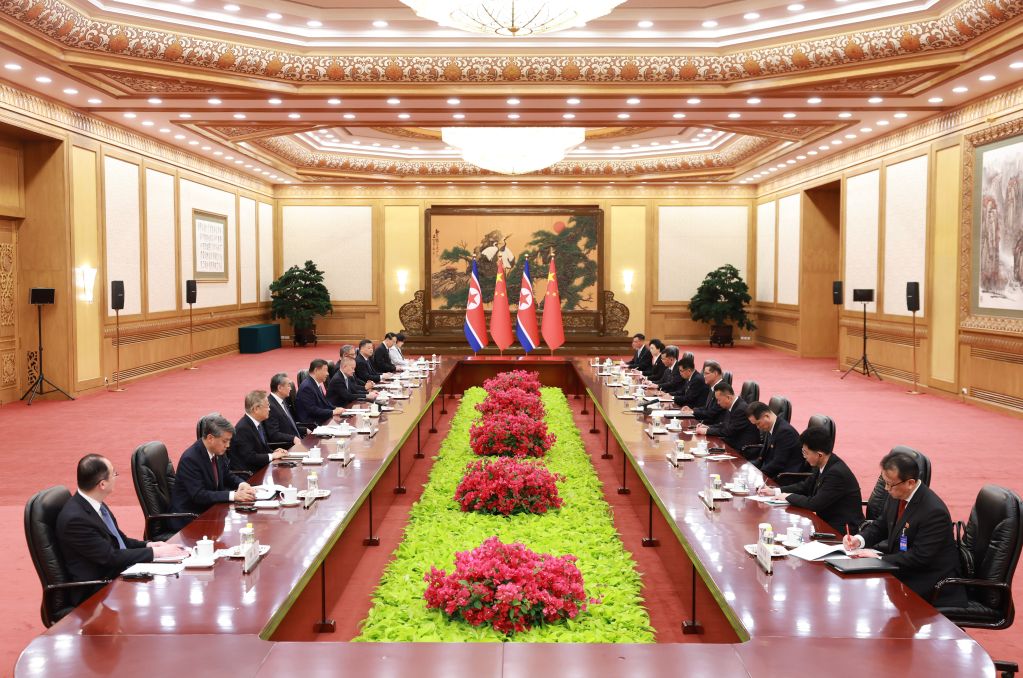
Chinese President Xi Jinping met with DPRK Cabinet Premier Pak Thae Song in Beijing on July 10, 2026, emphasizing that bilateral China-DPRK relations should consistently support both nations' socialist development and modernization goals. Xi highlighted that the China-DPRK Treaty of Friendship, Cooperation and Mutual Assistance, marking its 65th anniversary, provides the foundational political and legal framework for the enduring partnership between the two countries. Acknowledging a turbulent and rapidly shifting international environment, Xi urged both nations to maintain strategic resolve, strengthen strategic confidence, and implement consensus agreements previously reached between himself and North Korean leader Kim Jong Un. Xi also called for deeper practical cooperation, stronger public support, enhanced youth awareness of historical contributions made by Chinese People's Volunteers, and reinforced strategic coordination to protect each nation's sovereignty, security, and development interests. In response, Premier Pak conveyed Kim Jong Un's personal greetings to Xi, affirming North Korea's commitment to developing bilateral relations from a long-term strategic perspective rooted in the treaty framework.
Key Takeaways
- 1. **Strategic Alliance Reaffirmation:** The meeting signals a deliberate reinforcement of the China-DPRK strategic partnership amid growing global geopolitical instability and turbulence
- 2. **Treaty as Legal-Military Foundation:** The 65th anniversary of the China-DPRK Mutual Assistance Treaty serves as a renewed basis for military cooperation, mutual defense commitments, and sovereignty protection between both states
- 3. **Coordinated Geopolitical Positioning:** Both nations are aligning their strategic postures to create a mutually favorable external security environment, potentially countering Western influence and regional pressure from the US-South Korea alliance
- 4. **Sovereignty and Security Coordination:** Xi's explicit call to "safeguard each other's sovereignty, security and development interests" suggests deepened defense coordination and possible military or intelligence cooperation beyond diplomatic niceties
- 5. **Long-term Ideological Solidarity:** The emphasis on socialist modernization and youth indoctrination regarding shared military history indicates both nations are consolidating ideological alignment as a strategic tool to sustain their partnership across future generations