China Marks Historic Milestone with Successful Reusable Rocket Stage Recovery During Long March-10B Inaugural Launch

Summary
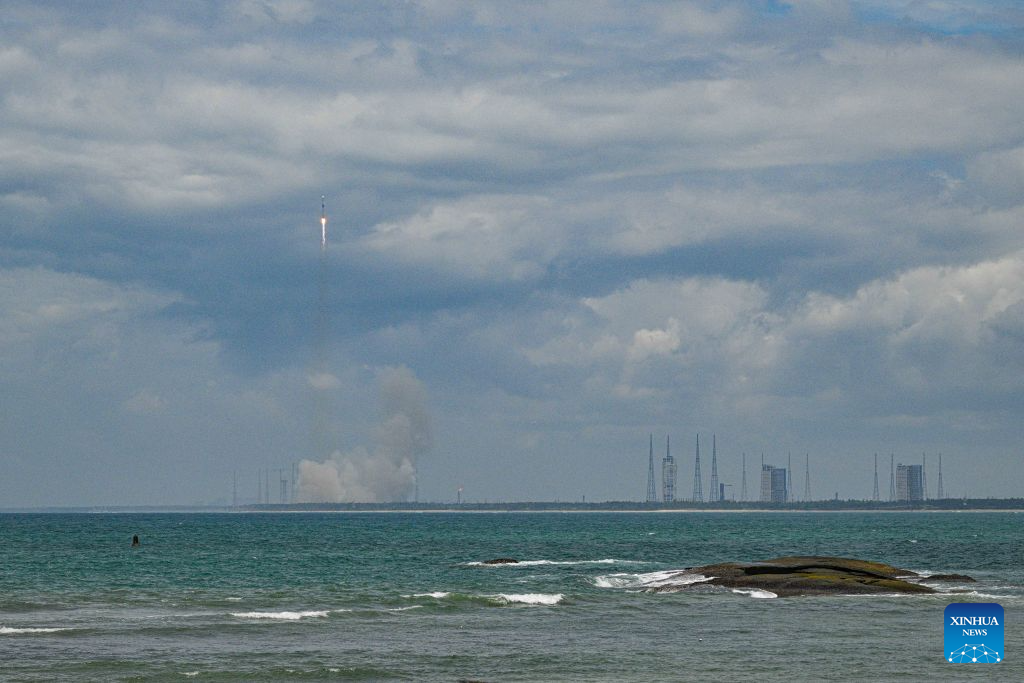
On July 10, 2026, China successfully conducted the maiden flight of its Long March-10B carrier rocket from the Hainan commercial spacecraft launch site in Wenchang, delivering its payload to the intended orbit. The mission achieved a landmark first for China by successfully recovering the rocket's first stage through a net-capture system on a seaborne platform following stage separation, mirroring recovery techniques previously pioneered by commercial spaceflight companies in the West. The Long March-10B is a reusable liquid-fueled commercial launch vehicle standing approximately 63 meters tall, with a liftoff thrust of around 890 tonnes and a low Earth orbit payload capacity of 16 tonnes in its reusable configuration. This achievement represents a significant technological breakthrough in China's reusable rocket program, demonstrating the country's growing capability to develop cost-effective, recoverable launch systems. The successful mission signals a major step forward in China's ambitions to reduce launch costs and increase the operational tempo of its space launch capabilities.
Key Takeaways
- 1. **Reusable Rocket Milestone:** China has achieved its first-ever controlled recovery of a carrier rocket's first stage, closing a critical technological gap with SpaceX and other advanced spacefaring nations
- 2. **Strategic Launch Infrastructure:** The use of a seaborne net-capture recovery platform demonstrates China's development of sophisticated, mobile recovery infrastructure that enhances operational flexibility for future missions
- 3. **Dual-Use Military Potential:** A reusable heavy-lift rocket with 16-tonne LEO capacity could significantly accelerate China's ability to deploy military satellites, space-based sensors, and other strategic payloads at reduced cost and increased frequency
- 4. **Commercial Space Competition:** The Long March-10B's commercial designation signals China's intent to compete aggressively in the global commercial launch market, potentially undermining Western market dominance while funding continued military space development
- 5. **Accelerated Space Militarization Risk:** Reusable rocket technology dramatically lowers the cost per launch, enabling China to rapidly expand its constellation of reconnaissance, communications, and potentially anti-satellite support satellites, with significant implications for regional and global security balances