China and Russia Execute Joint Naval Combat Training Exercises with Live Forces and Live Ammunition at Sea

Summary
Chinese and Russian naval forces commenced live-force, live-fire maritime drills on Thursday in designated waters near Qingdao, Shandong Province, as part of the structured "Joint Sea-2026" bilateral exercise. The exercise, which kicked off on Monday, is organized into three distinct phases: force assembly, harbor-based planning, and at-sea operations, reflecting a methodical and professionally coordinated joint military framework. The maritime operational phase encompasses a range of sophisticated military drills, including joint reconnaissance, integrated air defense and anti-missile defense operations, and coordinated submarine search and rescue missions. Prior to the live-fire maritime phase, both nations' participating personnel engaged in comprehensive shore-based exchange activities, including reciprocal visits to each other's warships, such as China's guided-missile destroyer Kaifeng and Russia's missile cruiser Varyag, as well as professional seminars on submarine rescue. These combined activities underscore the deepening military interoperability and strategic cooperation between China and Russia across multiple naval warfare domains.
Key Takeaways
- 1. **Growing Sino-Russian Naval Interoperability:** The structured, multi-phase format of "Joint Sea-2026" demonstrates increasingly sophisticated coordination between Chinese and Russian naval forces, moving well beyond symbolic gestures toward genuine operational integration.
- 2. **Multi-Domain Combat Capabilities Being Tested:** The inclusion of joint reconnaissance, air defense, anti-missile defense, and submarine rescue drills signals that both navies are rehearsing comprehensive, layered maritime warfare competencies simultaneously.
- 3. **Strategic Signaling to Western Alliances:** Conducting live-fire exercises near Qingdao carries deliberate strategic messaging, potentially serving as a counterbalance to NATO naval activities and US-led alliances in the Indo-Pacific region.
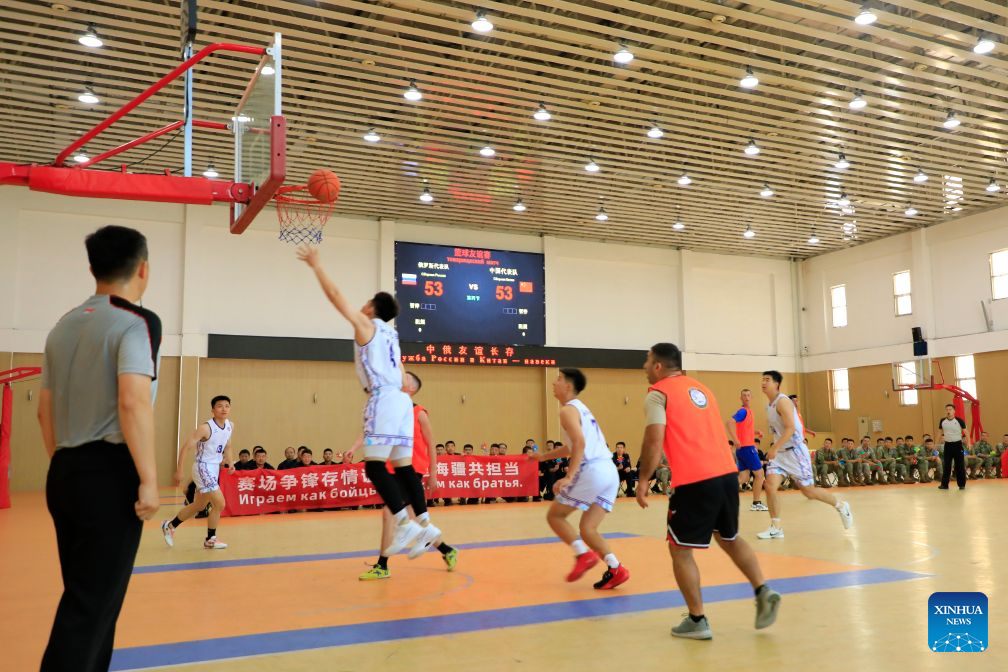
- 4. **Enhanced Military-to-Military Relationship:** Shore-based exchanges, vessel visits, seminars, and informal activities like basketball matches indicate efforts to build deep institutional familiarity and trust between the two militaries beyond tactical drills.
- 5. **Submarine Warfare Focus Raises Concerns:** The specific emphasis on submarine search, rescue, and related seminars highlights both nations' investment in undersea warfare capabilities, which has significant implications for regional and global maritime security dynamics.