China's Foreign Ministry Accuses US of Hypocrisy and Power Politics Over Criticism of Chinese Missile Test

Summary
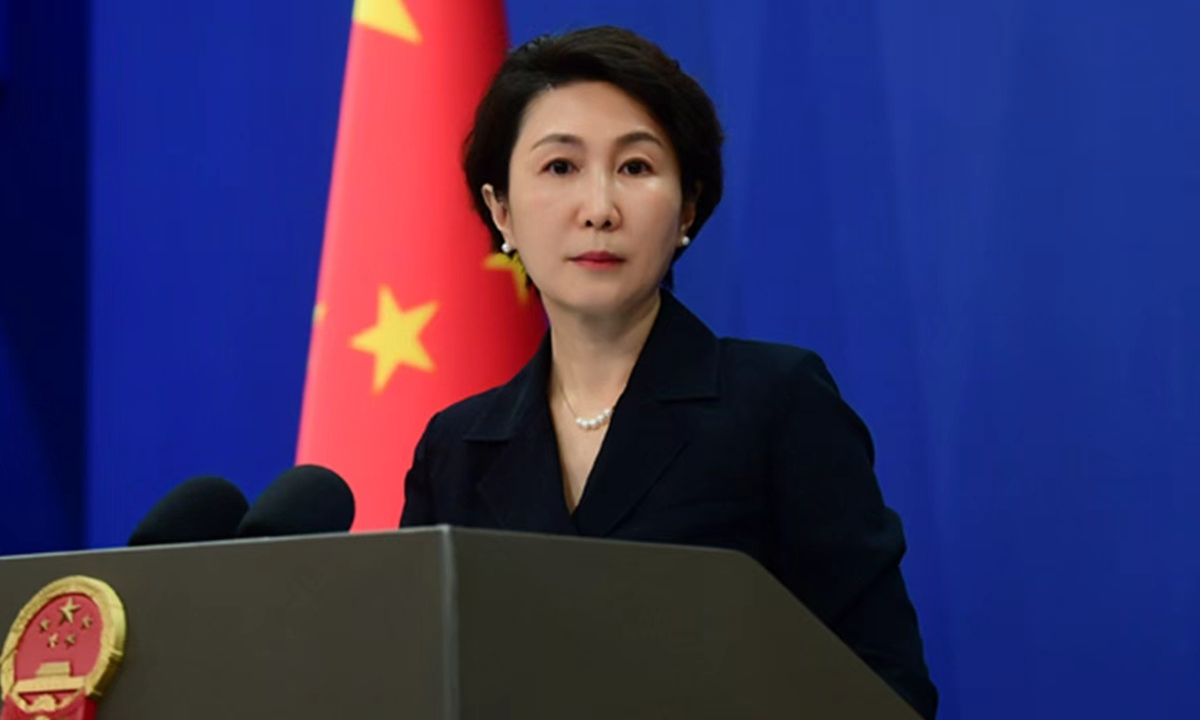
Chinese Foreign Ministry spokesperson Mao Ning strongly pushed back against US State Department criticism of China's recent missile test, characterizing Washington's response as a clear demonstration of double standards and hegemonic behavior. China maintained that the missile launch was a routine component of its annual military training program, designed to verify the reliability, safety, and effectiveness of its weapons systems, and was conducted in full compliance with international law and practices. Beijing argued that it acted transparently by promptly releasing relevant information and providing advance notification to the United States and other countries, directly contradicting Washington's claims that China informed them too late and with insufficient detail. The US had further alleged that China's information disclosure fell significantly short of standards maintained by the other P5 nuclear weapon states. Mao highlighted what she described as a fundamental contradiction in the US position, noting that America — as the only nation to have ever deployed nuclear weapons in warfare and the possessor of the world's largest and most advanced nuclear arsenal — routinely conducts its own strategic missile launches from nuclear submarines while simultaneously criticizing China's military activities.
Key Takeaways
- 1. China firmly rejects US criticism of its missile test, framing the launch as a routine, lawful, and transparent military training exercise with no specific target or country in mind
- 2. Beijing accuses Washington of applying blatant double standards by conducting its own regular nuclear submarine missile launches while objecting to China's equivalent activities
- 3. The diplomatic exchange highlights deepening tensions between the US and China over nuclear transparency obligations and differing interpretations of P5 disclosure standards
- 4. China's defense of its military transparency signals a broader strategic messaging effort to portray itself as a responsible nuclear power acting within established international norms
- 5. The confrontation underscores China's increasingly assertive posture in challenging US global military dominance, framing American criticism as an expression of hegemonism rather than legitimate security concern