How Cost Overruns and Delays Are Driving Navies Toward Proven, Affordable Warship Designs

Summary
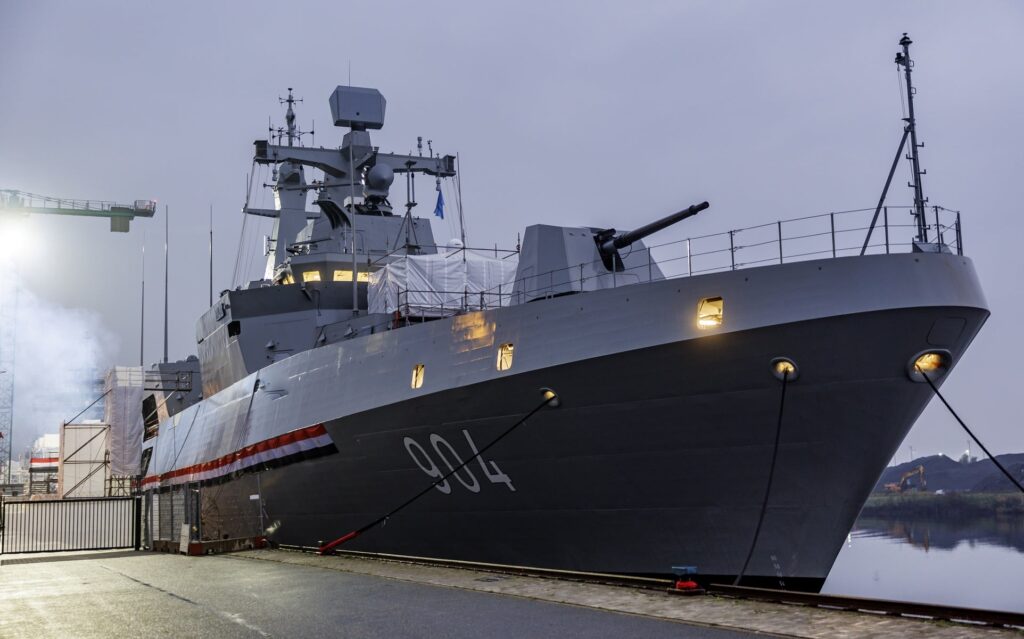
A significant shift is underway in global naval procurement, with multiple major navies abandoning expensive, ambitious clean-sheet warship programs in favor of proven, already-operational designs that offer faster delivery timelines and lower costs. Germany's June 2026 cancellation of the F126 frigate program — which had already consumed €2.3 billion and was projected to cost €15.2 billion for six ships — in favor of the established MEKO A-200 platform is the most recent high-profile example, following similar decisions by the United States and Australia. The common cost-control mechanisms driving this trend include the use of lighter or pre-certified hulls, commercial build standards, reused subsystems, and phased capability integration rather than attempting to deliver full capability upfront. Pakistan is identified as a country facing this same strategic crossroads, needing to choose between continuing to scale its existing Babur and Jinnah-class designs or pivoting toward a more commercially standardized, open-architecture approach to free up budget for weapons and sensors. The article concludes that Türkiye and South Korea are best positioned to capitalize on this evolving global market due to their competitive pricing, industrial scale, and offset capabilities, while European shipbuilders remain competitive primarily when they can couple their designs with attractive financing packages.
Key Takeaways
- 1. **Global procurement trend is shifting decisively** away from costly, complex clean-sheet warship programs toward proven, in-service platforms, as demonstrated by Germany, the United States, and Australia all reversing or scaling back ambitious surface combatant programs
- 2. **Cost overruns and schedule delays are the primary drivers**, with Germany's F126 case illustrating how a program can become fiscally unsustainable — ballooning to over €18 billion with delivery slipping four or more years beyond original timelines
- 3. **Key cost-reduction levers** — including commercial build standards, reused subsystems, proven hull designs, and phased capability delivery — are becoming the defining features of competitive naval procurement strategies globally
- 4. **Pakistan faces a critical strategic decision** on whether to deepen investment in its existing proprietary warship designs or adopt a more commercially standardized approach, a choice that will significantly shape the Pakistan Navy's future combat capability and budget flexibility
- 5. **Türkiye and South Korea are emerging as dominant competitors** in the affordable warship export market, leveraging industrial scale and offset agreements, while European shipbuilders must rely heavily on financing incentives to remain competitive in this cost-sensitive environment