Germany Abandons F126 Frigate Project, Opts for TKMS MEKO A-200 Warships as Replacement

Summary
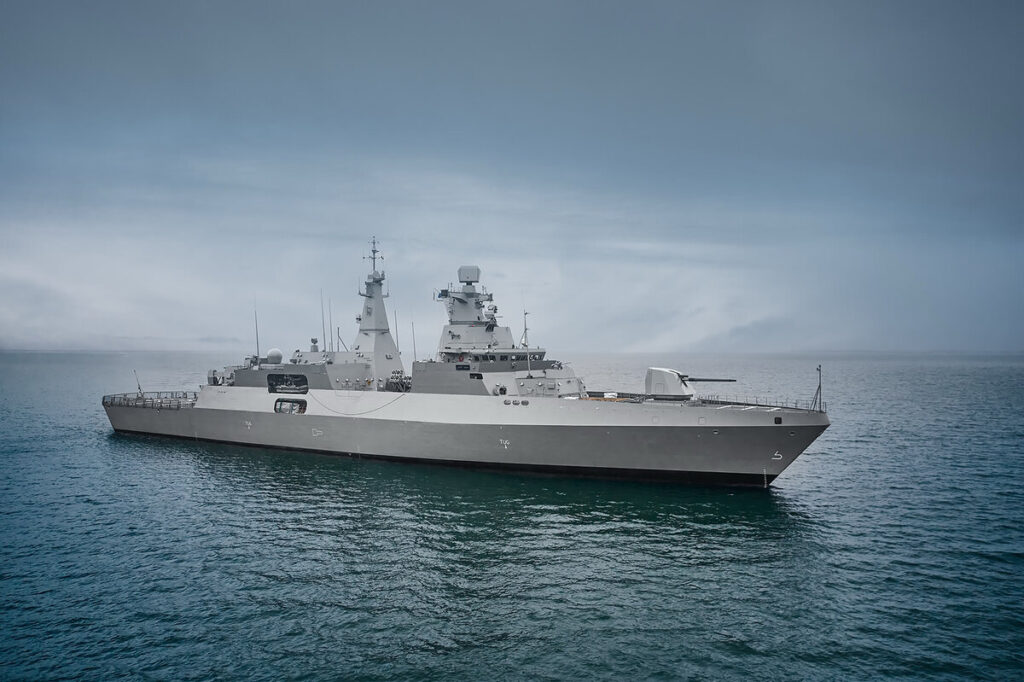
Germany's Federal Ministry of Defence officially cancelled the F126 anti-submarine warfare frigate program on 24 June 2026, marking the end of what would have been the most ambitious post-war German naval procurement initiative, after the program suffered severe cost overruns and schedule delays under Dutch shipbuilder Damen Naval. Originally contracted in 2020 for approximately €10 billion, the program's projected costs ballooned to over €18 billion for six vessels, nearly double the original estimate, with first delivery slipping from 2028 to 2032. Efforts to salvage the program by transferring prime contractor responsibilities to Rheinmetall-owned Naval Vessels Lürssen proved financially unviable, and waiving damage claims against Damen was deemed irresponsible use of public funds, leaving cancellation as the preferred course of action despite €2.3 billion already spent. As a replacement, Germany intends to procure up to eight MEKO A-200 DEU frigates from Thyssenkrupp Marine Systems, designated F128, at a combined estimated cost of €11.6 billion, pending Bundestag budget committee approval. German Navy chief Vice Admiral Jan Christian Kaack confirmed that the MEKO A-200 design is capable of fulfilling the service's core ASW requirements and meeting Germany's NATO obligations.
Key Takeaways
- 1. **Procurement Failure at Scale:** The F126 program represents one of Europe's most significant post-war naval procurement failures, with costs nearly doubling from €10 billion to over €18 billion and delivery timelines slipping by at least four years, highlighting systemic risks in complex multinational defence contracting.
- 2. **Strategic ASW Capability Gap Risk:** The cancellation creates a potential anti-submarine warfare capability gap for Germany, as the F123 Brandenburg-class successors will now be delayed further, raising concerns about NATO's Baltic and North Atlantic ASW posture during a period of heightened Russian submarine activity.
- 3. **TKMS and Domestic Industrial Shift:** The pivot to TKMS's MEKO A-200 platform signals a strategic preference for a domestically anchored industrial solution, potentially strengthening Germany's sovereign naval shipbuilding base while leveraging an already proven and exportable frigate design.
- 4. **NATO Obligation Compliance:** Despite the program disruption, German naval leadership has affirmed the MEKO A-200 DEU can satisfy core ASW mission requirements and alliance commitments, suggesting operational readiness priorities have been preserved within the replacement strategy.
- 5. **Legal and Financial Accountability:** With €2.3 billion already expended and damage claims against Damen still under legal review, the outcome of litigation will set an important precedent for accountability in large-scale European defence contracts and contractor performance obligations.